Calculate ANC (Absolute Neutrophil Count)
Enter your WBC and neutrophil differential to calculate ANC instantly. Results display in both ×10⁹/L and cells/µL with neutropenia grading.
ANC Result
3.72 ×10⁹/L
Typical adult: 4.0–11.0 ×10⁹/L (4,000–11,000 cells/µL)
Enter 0 if not reported
Formula: ANC = WBC × (Neutrophils% + Bands%) ÷ 100 = 6.0 × (60 + 2) ÷ 100 = 3.72 ×10⁹/L
Absolute Neutrophil Count (ANC)
3.72×10⁹/L
3,720 cells/µL
ANC within the typical healthy adult range.
ANC (×10⁹/L)
3.72
ANC (cells/µL)
3,720
WBC used
6.00 ×10⁹/L
Neut + Bands
62%
Neutropenia Grading Reference
Typical adult thresholds — your lab may differ
Quick Unit Conversion
1 ×10⁹/L = 1,000 cells/µL | Your ANC: 3.72 ×10⁹/L = 3,720 cells/µL
Medical Disclaimer
This ANC calculator is for educational purposes only and does not provide a diagnosis. Fever with severe neutropenia can be an emergency — contact your care team immediately. Always discuss results with your clinician.
Educational tool, not medical advice. Check this tool’s method and limitations before interpreting a result. Talk to a qualified healthcare professional before making decisions about medication, diet, exercise, or treatment. See our Terms of Use.
Your rating helps improve ANC Calculator — Absolute Neutrophil Count. We store only an anonymized vote (no personal data).
How to Use ANC Calculator — Absolute Neutrophil Count
Step 1: Select Input Mode
Choose “WBC + %” if your CBC report shows neutrophil and band percentages, or “Absolute” if it lists absolute neutrophil and band counts directly.
Step 2: Match Your Lab Units
Toggle between ×10^9/L and cells/µL to match the units on your lab report. The ANC calculator displays results in both units automatically.
Step 3: Enter WBC and Differential
Type your WBC count and neutrophil percentage (plus band percentage if reported). For absolute mode, enter absolute neutrophil and band counts. ANC calculates instantly as you type.
Step 4: Read Your ANC Result
View your absolute neutrophil count with the color-coded neutropenia grade, visual severity bar, and the formula breakdown showing exactly how ANC was calculated from your values.
Step 5: Copy or Share Results
Use “Copy Summary” to save your ANC result, grade, and calculation details to clipboard for your medical records or to share with your care team.
Key Features
- Instant ANC from WBC + neutrophil/band differential
- Dual unit display: ×10^9/L and cells/µL with conversion
- Neutropenia grading with visual severity bar
- Two input modes: percentage or absolute counts
- Formula breakdown shown with your values
- Copy-to-clipboard summary for medical records
Understanding Your ANC Results
How to Calculate ANC: Formula
The ANC calculator uses two standard formulas depending on your lab report format. With percentages: ANC = WBC × (neutrophils% + bands%) ÷ 100. For example, a WBC of 6.0 ×10⁹/L with 60% neutrophils and 2% bands gives ANC = 6.0 × 62 ÷ 100 = 3.72 ×10⁹/L (3,720 cells/µL). With absolute counts: ANC = absolute neutrophils + absolute bands. The calculator accepts both approaches and converts between ×10⁹/L and cells/µL automatically (1 ×10⁹/L = 1,000 cells/µL).
ANC Reference Ranges and Neutropenia Grades
A normal ANC for adults is 1.5–7.5 ×10⁹/L (1,500–7,500 cells/µL). Neutropenia is graded by severity: mild (1.0–1.5 ×10⁹/L), moderate (0.5–1.0 ×10⁹/L), severe (<0.5 ×10⁹/L), and profound (<0.1 ×10⁹/L). Infection risk increases as ANC drops, especially below 500 cells/µL. Some individuals with benign ethnic neutropenia have lower baselines without increased infection risk. Always interpret ANC alongside symptoms, medications, and trends.
Assumptions & Limitations
ANC can fluctuate with time of day, recent infections, medications (chemotherapy, immunosuppressants, corticosteroids, G-CSF), and lab methods (manual vs. automated differentials). Steroid-induced neutrophilia raises ANC through demargination without improving immune function. This calculator is for educational purposes only and does not replace clinical evaluation. Seek urgent care for fever with suspected severe neutropenia.
Complete Guide: ANC Calculator — Absolute Neutrophil Count

On this page
An ANC calculator computes your absolute neutrophil count from a CBC differential — the single most important number for assessing your body's ability to fight bacterial infection. Whether your lab report shows percentages or absolute counts, this tool applies the standard formula and returns results in both ×10⁹/L and cells/µL with a clear neutropenia grade. Below, we explain the calculation, common ranges, unit conversion, and the real-world context that helps you discuss results with your care team.
Clinicians calculate ANC routinely during chemotherapy, after bone marrow transplant, while managing immunosuppressive therapy, and whenever a CBC reveals an unexpected drop in white blood cells. Understanding how to calculate ANC yourself — and what the numbers mean — puts you in a stronger position to ask informed questions and track your health over time. This guide is informational only and not medical advice.
What Is Absolute Neutrophil Count (ANC)?
Absolute neutrophil count (ANC) estimates how many mature neutrophils circulate in your blood to defend against bacteria and fungi. Neutrophils are the most abundant type of white blood cell (WBC), making up 40–70% of the total WBC in healthy adults. They are the immune system's first responders — arriving at infection sites within hours and releasing enzymes that kill invading organisms.
A normal ANC is typically 1.5–7.5 ×10⁹/L (1,500–7,500 cells/µL). When ANC drops below 1.5 ×10⁹/L, the condition is called neutropenia, and infection risk rises progressively as the count falls. ANC below 0.5 ×10⁹/L (500 cells/µL) is classified as severe neutropenia, where even everyday microbes can cause life-threatening illness. This is why oncology teams monitor ANC closely between chemotherapy cycles.
For many clinical decisions, the trend of ANC over days or weeks matters more than a single snapshot. A steadily falling ANC may signal a need for closer monitoring or treatment delay, while a recovering ANC suggests the bone marrow is bouncing back. When chemotherapy dosing uses body surface area, tools like a BSA calculator complement periodic CBC checks to help the team balance treatment effectiveness with safety.
How to Use the ANC Calculator: Step-by-Step with Examples
There are two standard methods to calculate ANC, depending on how your lab reports the differential:
- Percentage method: ANC = WBC × (neutrophils% + bands%) ÷ 100
- Absolute count method: ANC = absolute neutrophils + absolute bands
Worked Example 1 — Percentage method:
Given: WBC = 6.0 ×10⁹/L, Neutrophils = 60%, Bands = 2%
Step 1: Add neutrophils + bands = 60 + 2 = 62%
Step 2: ANC = 6.0 × 62 ÷ 100 = 3.72 ×10⁹/L
Step 3: Convert to cells/µL = 3.72 × 1,000 = 3,720 cells/µL
Result: ANC 3.72 ×10⁹/L — Normal range
Worked Example 2 — Absolute count method:
Given: Absolute neutrophils = 0.8 ×10⁹/L, Absolute bands = 0.1 ×10⁹/L
ANC = 0.8 + 0.1 = 0.9 ×10⁹/L (900 cells/µL)
Result: ANC 0.9 ×10⁹/L — Moderate neutropenia
If your lab only reports segmented neutrophils without bands, set bands to 0 — the formula still works. Many automated differentials no longer report bands separately, and the ANC from segmented neutrophils alone is clinically valid. The ANC calculator supports both approaches and validates your inputs to prevent errors.
Most labs round to one or two decimal places. Small rounding differences (e.g., 0.99 vs. 1.01 ×10⁹/L) rarely change the clinical decision. When treatment hinges on a precise threshold — such as whether to proceed with a chemotherapy cycle — your oncologist will weigh the complete picture: symptoms, vital signs, ANC trend, and the risks of delay versus treatment.
ANC Unit Conversion: ×10⁹/L to cells/µL
Different labs and countries use different units for ANC, which causes frequent confusion. The conversion is simple: 1 ×10⁹/L = 1,000 cells/µL (also written cells/mm³). To convert from ×10⁹/L to cells/µL, multiply by 1,000. To go the other direction, divide by 1,000.
| ANC (×10⁹/L) | ANC (cells/µL) | Classification |
|---|---|---|
| 0.05 | 50 | Profound neutropenia |
| 0.3 | 300 | Severe neutropenia |
| 0.7 | 700 | Moderate neutropenia |
| 1.2 | 1,200 | Mild neutropenia |
| 3.5 | 3,500 | Normal range |
| 9.0 | 9,000 | Elevated (neutrophilia) |
The ANC calculator shows both units simultaneously so you never have to convert manually. This is especially helpful when comparing results from different labs or reading research that uses international units. If your report uses 10³/µL or K/µL, the values are equivalent to ×10⁹/L numerically.
Neutropenia Grades, Risk Levels, and Clinical Thresholds
Neutropenia grading follows standardized ANC thresholds used by the National Cancer Institute (NCI) Common Terminology Criteria and most clinical guidelines:
- Profound neutropenia: ANC < 0.1 ×10⁹/L (< 100 cells/µL) — extremely high infection risk
- Severe neutropenia: ANC 0.1–0.5 ×10⁹/L (100–500 cells/µL) — high infection risk; fever requires urgent evaluation
- Moderate neutropenia: ANC 0.5–1.0 ×10⁹/L (500–1,000 cells/µL) — moderate risk; close monitoring advised
- Mild neutropenia: ANC 1.0–1.5 ×10⁹/L (1,000–1,500 cells/µL) — slightly elevated risk; often monitored
- Normal: ANC 1.5–7.5 ×10⁹/L (1,500–7,500 cells/µL) — typical healthy adult range
The lower the ANC and the longer it remains low, the greater the infection risk. In oncology, clinicians assess the probability of febrile neutropenia for each chemotherapy regimen. When that risk exceeds 20%, guidelines recommend prophylactic G-CSF (granulocyte colony-stimulating factor) to shorten the duration of neutropenia. The MASCC and CISNE risk scores are sometimes used alongside ANC to stratify patients presenting with febrile neutropenia.
For a broader view of blood counts during treatment, consider reviewing hemoglobin and hematocrit values alongside ANC. Together these numbers reflect bone marrow function, hydration status, and potential complications like anemia or thrombocytopenia.
Common Causes of Low ANC (Neutropenia)
An ANC below normal can occur for many reasons. Some causes are temporary and expected; others require investigation:
- Chemotherapy and radiation: Temporary bone marrow suppression is the most common cause of clinically significant neutropenia. ANC typically reaches its lowest point (nadir) 7–14 days after chemotherapy.
- Medications: Certain antibiotics (trimethoprim-sulfamethoxazole), antithyroid drugs (methimazole), anticonvulsants (carbamazepine), and clozapine can lower ANC.
- Viral infections: Influenza, HIV, hepatitis, EBV, and CMV may transiently reduce neutrophil production.
- Nutritional deficiencies: Low vitamin B12, folate, or copper impairs bone marrow neutrophil production.
- Autoimmune conditions: Autoimmune neutropenia involves antibody-mediated destruction of neutrophils.
- Bone marrow disorders: Aplastic anemia, myelodysplastic syndromes (MDS), and leukemia can reduce all blood cell lines.
- Benign ethnic neutropenia: Lower baseline ANC (often 0.5–1.5 ×10⁹/L) without increased infection risk, seen in some populations of African, Middle Eastern, and Mediterranean descent.
If you are on medication that is renally cleared and your clinician is weighing dose changes, tools like a kidney function calculator can provide additional context. For pediatric dosing, weight-based calculations are standard — see our pediatric dose calculator for reference.
When ANC Is Elevated (Neutrophilia)
An ANC above 7.5 ×10⁹/L is called neutrophilia. Common causes include:
- Acute bacterial infection: The most common trigger, as the body mobilizes neutrophils to fight invaders.
- Corticosteroid use: Steroids raise ANC through demargination — shifting neutrophils from vessel walls into circulation — without truly increasing immune defense.
- Physical stress or trauma: Surgery, burns, and acute physiological stress trigger a neutrophil response.
- Smoking: Chronic smoking can raise baseline neutrophil counts.
- Chronic inflammation: Conditions like rheumatoid arthritis or inflammatory bowel disease.
- Myeloproliferative disorders: Rarely, persistent neutrophilia may indicate chronic myelogenous leukemia (CML) or polycythemia vera.
An elevated ANC alone is not inherently dangerous, but it serves as a diagnostic clue. In the emergency setting, high WBC with neutrophilia alongside fever and localizing symptoms points toward bacterial infection. In chronic cases, the clinical picture, medication history, and additional labs (CRP, blood cultures) guide the next steps. Dividing the ANC by the absolute lymphocyte count adds another layer of information — our neutrophil to lymphocyte ratio calculator turns those same two CBC lines into an inflammation and stress marker with defined interpretation bands.
Reading Your CBC Lab Report
CBC reports vary in layout between labs, which is why many people search for an ANC calculator. Here is what to look for:
- WBC count: Total white blood cell count — the starting number for ANC calculation. Usually in ×10⁹/L or cells/µL (K/µL).
- Differential: The breakdown of WBC subtypes. Automated differentials list percentages; some also show absolute counts.
- Neutrophils (segs): The percentage or absolute count of mature segmented neutrophils — the primary input for ANC.
- Bands: Immature neutrophils. May be listed separately or omitted if the automated counter detected none. A high band count ("left shift") often indicates acute infection.
If your report already shows an "Absolute Neutrophil Count" or "ANC" line, the lab has done the calculation for you. You can use this calculator to verify the result or convert between units. Automated differentials are fast and consistent, but manual smear review can clarify atypical cells, left shift, or blasts when the machine flags something unusual.
Because chemotherapy dosing often uses body surface area, a BSA calculator can help you understand educational examples in treatment plans. For broader CBC context, reviewing hemoglobin and hematocrit gives a more complete picture of marrow function and hydration.
ANC in Children and Adolescents
Normal ANC ranges in children differ by age. Neonates may have ANC values above 6.0 ×10⁹/L in the first 72 hours of life, followed by a gradual decline. By age 1, reference ranges approach but do not yet equal adult norms. Transient neutropenia during or after viral illnesses is common in pediatrics and typically resolves within 1–2 weeks without intervention.
Persistent or severe neutropenia in children — especially with recurrent infections, poor growth, or mouth ulcers — warrants evaluation. Cyclic neutropenia, a rare inherited condition, causes ANC to oscillate on a roughly 21-day cycle. Pediatricians may coordinate additional labs, consider benign ethnic neutropenia, and review family history to decide on next steps. Weight-based dosing is standard in pediatric hematology/oncology — our pediatric dose calculator provides an educational reference.
Follow-Up, Trends, and Clinical Context
If the ANC is unexpectedly low, repeating the CBC in 1–2 weeks confirms whether the result is real and whether the trend is falling, stable, or recovering. Many factors can nudge ANC up or down day-to-day: recent infections, time of blood draw (diurnal variation), hydration, stress, and lab instrument variation.
Practical tip: Keep a log of your results with the date, time, any symptoms (especially fever), and current medications. This compact record helps your team interpret trends quickly. If you take corticosteroids and want to understand equivalent dosing, the steroid conversion calculator can provide educational context.
Supportive care for neutropenia may include growth factors (G-CSF/filgrastim) in selected cases to shorten the nadir period. Recommendations depend on your diagnosis, treatment regimen, and individual risk profile. Vaccination status, oral care, food safety practices, and hand hygiene all play meaningful roles in reducing infection risk during periods of low ANC. When treatment is ongoing, defined ANC thresholds guide decisions about starting the next cycle, pausing, or modifying dose — always individualized by your care team.
This resource is for education only. It does not diagnose, treat, or replace professional medical care. If you have fever and known or suspected severe neutropenia, seek urgent medical attention immediately.
References
- National Cancer Institute. Common Terminology Criteria for Adverse Events (CTCAE) v5.0. November 2017.
- Freifeld AG, et al. Clinical practice guideline for the use of antimicrobial agents in neutropenic patients with cancer. Clin Infect Dis. 2011;52(4):e56-e93.
- Dale DC, Bolyard AA. An update on the diagnosis and treatment of chronic idiopathic neutropenia. Curr Opin Hematol. 2017;24(1):46-53.

Written by Marko Šinko
Co-Founder & Lead Developer
Computer scientist and developer working on calculator implementation, data handling, and accessible interfaces. His authorship describes development work, not independent medical review.
View full profileFrequently Asked Questions
How do I calculate ANC from WBC and neutrophils?
To calculate ANC, multiply your WBC count by the sum of neutrophil percentage and band percentage, then divide by 100. For example, WBC 6.0 x10^9/L with 60% neutrophils and 2% bands gives ANC = 6.0 x (60 + 2) / 100 = 3.72 x10^9/L, which equals 3,720 cells/uL.
What is a normal absolute neutrophil count?
A normal ANC for adults is typically 1.5 to 7.5 x10^9/L (1,500 to 7,500 cells/uL). Values below 1.5 x10^9/L indicate neutropenia, while values above 7.5 x10^9/L may suggest infection, inflammation, or steroid use.
What counts as mild, moderate, or severe neutropenia?
Neutropenia grades by ANC: mild is 1.0 to 1.5 x10^9/L (1,000 to 1,500 cells/uL), moderate is 0.5 to 1.0 x10^9/L (500 to 1,000 cells/uL), severe is below 0.5 x10^9/L (below 500 cells/uL), and profound is below 0.1 x10^9/L (below 100 cells/uL).
How do I convert ANC from x10^9/L to cells/uL?
Multiply the x10^9/L value by 1,000 to get cells/uL. For example, ANC of 2.5 x10^9/L equals 2,500 cells/uL. Conversely, divide cells/uL by 1,000 to get x10^9/L. The ANC calculator shows both units automatically.
Should I include bands when calculating ANC?
Yes. The standard ANC formula includes both segmented (mature) neutrophils and bands (immature neutrophils). If your lab report lists band percentage or absolute band count, enter it. If bands are not reported, enter 0 and the calculator uses neutrophils alone.
Can I calculate ANC with only WBC and neutrophil percentage?
Yes. If your CBC only reports a neutrophil percentage without bands, set bands to 0. The formula becomes ANC = WBC x neutrophil percentage / 100. Many automated differentials report only segmented neutrophils, and this approach gives a valid ANC.
Is a low ANC always an emergency?
Not always. Mild neutropenia (ANC 1.0 to 1.5 x10^9/L) is often monitored without urgent intervention. However, severe neutropenia (below 0.5 x10^9/L) combined with fever is a medical emergency requiring immediate evaluation. Contact your care team right away if you develop fever with known low ANC.
Do steroids or medications affect ANC results?
Yes. Corticosteroids can raise ANC through demargination, shifting neutrophils from vessel walls into circulation without increasing production. Chemotherapy, immunosuppressants, and some antibiotics can lower ANC. Always interpret ANC in the context of current medications with your clinician.
Related Calculators

A1C Calculator — Convert HbA1c to eAG with Targets
Use our A1C calculator to convert HbA1c to estimated average glucose (eAG). See normal, prediabetes, and diabetes thresholds in mg/dL and mmol/L. Fast results.

Albumin Calculator — Serum Albumin Level Interpretation
Free albumin calculator to interpret serum albumin levels, grade hypoalbuminemia, and compute A/G ratio plus albumin-corrected calcium from your lab results.
Albumin-Corrected Anion Gap Calculator — Hidden Acidosis
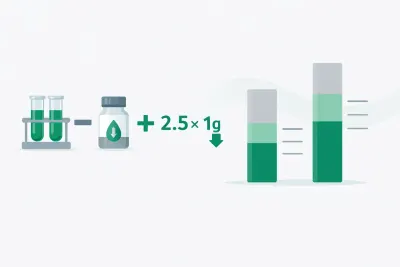
Use our albumin-corrected anion gap calculator to raise the anion gap by 2.5 per 1 g/dL of low albumin and reveal a hidden high-gap metabolic acidosis.

Anion Gap Calculator — Metabolic Acidosis Evaluation
Free anion gap calculator finds serum anion gap from sodium, chloride, and bicarbonate, with albumin correction and delta ratio for metabolic acidosis.
AST/ALT Ratio Calculator — Free De Ritis Ratio Tool
Use our free AST/ALT ratio calculator to compute the De Ritis index instantly. Visual ratio chart, enzyme-level assessment, and clinical patterns guide.
Blood Pressure by Age Calculator: Normal Range Chart
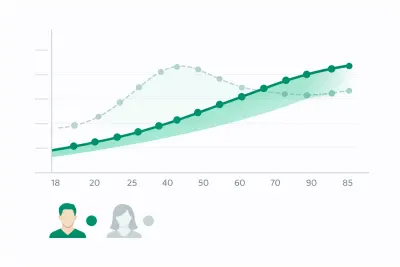
Free blood pressure by age calculator: see your percentile among adults your age and sex, plus a normal range chart of average readings from age 18 to 85.