Hemoglobin Conversion Calculator
Convert hemoglobin between g/dL, g/L, and mmol/L instantly. View WHO anemia thresholds by age and sex, and see your estimated hematocrit.
Typical reference ≈ 12.0–15.5 g/dL
Enter your hemoglobin value. Most labs report in g/dL. 1 g/dL = 10 g/L ≈ 0.155 mmol/L.
Educational tool, not medical advice. Check this tool’s method and limitations before interpreting a result. Talk to a qualified healthcare professional before making decisions about medication, diet, exercise, or treatment. See our Terms of Use.
Your rating helps improve Hemoglobin Calculator — Hgb Levels & Unit Conversion. We store only an anonymized vote (no personal data).
How to Use Hemoglobin Calculator — Hgb Levels & Unit Conversion
Step 1: Select Population Group
Choose adult male, adult female, pregnant, or a pediatric age group so the anemia thresholds match your context.
Step 2: Choose Your Input Unit
Select g/dL, g/L, or mmol/L to match the unit on your lab report. The calculator converts between all three automatically.
Step 3: Enter Hemoglobin Value
Type your hemoglobin value. Results appear instantly with unit conversions, classification, a visual range bar, and an estimated hematocrit.
Step 4: Review Classification
Check the visual range bar and WHO anemia thresholds to see where your value falls (normal, mild, moderate, or severe anemia).
Step 5: Use the Conversion Chart
Tap "Show Conversion Chart" for a quick-reference table of common hemoglobin values in g/dL, g/L, mmol/L, and estimated hematocrit.
Key Features
- Instant g/dL ↔ g/L ↔ mmol/L hemoglobin conversion
- WHO anemia classification by age, sex, and pregnancy
- Visual range bar showing where your Hgb value falls
- Quick-reference hemoglobin conversion chart
- Estimated hematocrit (Hct %) from Hgb value
- Pediatric and pregnancy-specific thresholds
Understanding Your Hemoglobin Results
Hemoglobin Units and Conversion Formulas
Labs report hemoglobin (Hgb) in different units depending on region. Most North American labs use grams per deciliter (g/dL), while many European and international labs report grams per liter (g/L) or millimoles per liter (mmol/L). Our hemoglobin calculator converts between all three: g/L = g/dL × 10, and mmol/L = g/L ÷ 64.5 (hemoglobin's molar mass ≈ 64.5 kDa). The built-in conversion chart provides a quick reference table for common values.
Hemoglobin Levels by Age and Sex
Normal hemoglobin levels vary by population. Lower cut‑offs for anemia are about 13.0 g/dL (130 g/L) for adult men, 12.0 g/dL (120 g/L) for adult non‑pregnant women, and 11.0 g/dL (110 g/L) in pregnancy. Pediatric hemoglobin thresholds change with age: 11.0 g/dL for 6–59 months, 11.5 g/dL for 5–11 years, and 12.0 g/dL for 12–14 years. When below the cut‑off, anemia severity is classified as mild, moderate, or severe based on WHO bands that differ slightly across groups.
Assumptions & Limitations
Hydration, altitude, smoking, pregnancy, and lab methods can shift hemoglobin without reflecting a disease process. Always compare with your printed lab reference interval and speak with a clinician for diagnosis. This hemoglobin calculator is an educational tool and does not replace medical advice.
Complete Guide: Hemoglobin Calculator — Hgb Levels & Unit Conversion

Free hemoglobin calculator with instant g/dL, g/L, and mmol/L conversion. Check Hgb levels by age and sex, WHO anemia thresholds, and hematocrit estimate.
This hemoglobin calculator converts between g/dL, g/L, and mmol/L, classifies results by age and sex (including pregnancy), and shows a rule‑of‑thumb hematocrit estimate. Whether you need a quick hemoglobin conversion or want to understand where your Hgb level falls relative to WHO anemia thresholds, this guide walks through everything you need to know.
What Is Hemoglobin?
Hemoglobin (Hgb or Hb) is the oxygen‑carrying protein inside red blood cells. Each hemoglobin molecule binds oxygen in the lungs and releases it to tissues throughout the body. Because red blood cells circulate for about 120 days on average, your hemoglobin level reflects both your current status and recent physiological history. A hemoglobin test is part of the standard complete blood count (CBC) that most clinicians order during routine checkups.
A single hemoglobin number rarely tells the full story. Hydration status, altitude, smoking, pregnancy, and medical conditions can shift hemoglobin up or down. That is why your result is usually interpreted along with other parts of the CBC, such as hematocrit (Hct), mean corpuscular volume (MCV), and red cell distribution width (RDW). For a quick complementary view of red cell concentration, try our hematocrit calculator.
Hemoglobin Units Explained — g/dL, g/L, and mmol/L
One of the most common sources of confusion when reading lab results is that different countries and labs report hemoglobin in different units. Understanding these hemoglobin units helps you compare results accurately:
- g/dL (grams per deciliter) — the most common unit in the United States, Canada, and many other countries. A normal adult male value is typically 13.5–17.5 g/dL.
- g/L (grams per liter) — used across much of Europe, Australia, and international reporting. The values are simply 10× larger than g/dL (e.g., 13.5 g/dL = 135 g/L).
- mmol/L (millimoles per liter) — less commonly used but found in some European countries (notably the Netherlands and parts of Scandinavia). Conversion uses hemoglobin's molar mass of approximately 64.5 kDa.
Our hemoglobin conversion calculator accepts input in any of these three units and instantly displays the value in all three, eliminating the confusion of manual conversion. If your lab report shows a number that looks unusually high or low, check whether it is because the unit is different from what you expected.
How to Convert Hemoglobin Between Units
Converting hemoglobin values between units is straightforward with these formulas:
- g/dL to g/L: multiply by 10 (e.g., 14.0 g/dL = 140 g/L)
- g/L to g/dL: divide by 10 (e.g., 120 g/L = 12.0 g/dL)
- g/dL to mmol/L: multiply by 10, then divide by 64.5 (e.g., 14.0 g/dL ≈ 2.17 mmol/L)
- mmol/L to g/dL: multiply by 64.5, then divide by 10 (e.g., 2.0 mmol/L ≈ 12.9 g/dL)
- Estimated hematocrit: Hct (%) ≈ 3 × Hgb in g/dL (±3%)
Rather than doing the math by hand, you can use the hemoglobin calculator above for instant results. The conversion chart feature shows common values side by side in all three units.
If you are reviewing diabetes metrics, remember that conditions affecting red cell lifespan (certain anemias, pregnancy, kidney disease, or hemoglobin variants) can shift A1C. If that context is relevant, compare your CBC with our A1C calculator and day‑to‑day readings from the blood sugar calculator.
How the Hemoglobin Calculator Works
The hemoglobin calculator accepts your value in g/dL, g/L, or mmol/L and classifies it using widely cited World Health Organization (WHO) cut‑offs for anemia. Because normal ranges differ by age and sex—and pregnancy lowers the expected threshold—the calculator lets you select a population group (adult male, adult female, pregnant, and several pediatric ranges). It then converts to all other units, estimates hematocrit using the common rule of thumb Hct ≈ 3 × Hgb, and displays a visual range bar and severity band when your value is below the threshold.
Results here are for education, planning, and conversation. They do not diagnose any condition. Use the number alongside your official report, symptoms, and clinician guidance. If your value is far outside typical ranges or you feel unwell, seek medical care promptly.
Normal Hemoglobin Levels by Age and Sex
The hemoglobin calculator uses WHO‑style anemia thresholds. Here are the commonly cited normal hemoglobin levels for each group:
| Population | Normal Hgb (g/dL) | Normal Hgb (g/L) | Anemia Below |
|---|---|---|---|
| Adult male (≥15 y) | 13.5–17.5 | 135–175 | <13.0 |
| Adult female (non‑pregnant) | 12.0–15.5 | 120–155 | <12.0 |
| Pregnant (any trimester) | 11.0–15.5 | 110–155 | <11.0 |
| Child 6–59 months | 11.0–15.0 | 110–150 | <11.0 |
| Child 5–11 y | 11.5–15.0 | 115–150 | <11.5 |
| Adolescent 12–14 y | 12.0–16.0 | 120–160 | <12.0 |
Upper reference limits are less standardized and vary by lab, geography, altitude, and smoking status. As a rough guide, Hgb above about 17.5 g/dL in adult men or 15.5 g/dL in adult women is often flagged as elevated. It does not always signal disease; dehydration, living at high altitude, or temporary physiologic shifts can be enough. Use your lab's printed reference interval as the source of truth. For a different view on oxygen delivery, check your saturation with the oxygen saturation calculator.
Making Sense of Your Hemoglobin Result
Start by confirming the unit on your report—g/dL, g/L, or mmol/L—and the reference interval printed by your lab. Then place your value in context: recent illness, hydration, altitude, smoking status, pregnancy, and medications all move hemoglobin. If your number sits near a threshold, re‑check on a day you feel well and well‑hydrated.
Use this hemoglobin calculator to translate units and to see where your value sits relative to common cut‑offs, but rely on your clinician for diagnosis. When you bring your report, include symptoms (fatigue, shortness of breath, headaches), timeline, and any relevant history (dietary changes, bleeding, chronic disease). That information makes interpretation faster and safer.
Factors That Shift Hemoglobin Levels
Several everyday factors move hemoglobin temporarily. Hydration is one: dehydration concentrates red cells, pushing the number higher, while extra fluids can dilute it. High altitude stimulates erythropoietin (EPO) and, over days to weeks, raises hemoglobin to carry more oxygen in thinner air. Smoking and certain lung or heart conditions can have similar effects. On the other hand, pregnancy often lowers hemoglobin modestly because plasma volume expands faster than red cell mass.
Lab methods, timing, and recent illness also matter. If a result seems unexpected, comparing it with hematocrit and indices such as MCV and RDW can reveal patterns. Persistent fatigue, shortness of breath, or rapid heart rate with a low value deserves timely clinical attention. If kidney function is a question, try our kidney function calculator alongside your CBC.
Common Causes of Low Hemoglobin (Anemia)
Low hemoglobin (anemia) has many causes. The most common worldwide is iron deficiency—often from low dietary intake, increased needs (growth, pregnancy), or blood loss (for example heavy menstrual periods or gastrointestinal bleeding). Other causes include chronic disease and inflammation, kidney disease (reduced EPO), vitamin B12 or folate deficiency, inherited conditions (such as thalassemia), bone marrow disorders, and medication effects. Patterns in MCV help: microcytosis suggests iron deficiency or thalassemia; macrocytosis suggests B12/folate deficiency or certain medications. To separate those two microcytic causes from a routine CBC, the Mentzer index calculator divides MCV by the red cell count — below 13 favors thalassemia trait, above 13 favors iron deficiency.
If iron deficiency is suspected, clinicians typically check ferritin and iron studies, look for bleeding sources, and address diet. For people tracking cycle‑related blood loss, our menstrual cycle calculator can help plan around heavy days, though it does not diagnose any condition. Staying well hydrated and balancing activity and rest can lessen symptoms while the cause is being addressed.
Thyroid function is the cause most often missed in a normocytic anemia workup: roughly 30–40% of people with overt hypothyroidism are anemic, because thyroid hormone drives erythropoietin production and red cell precursor maturation. It also produces a mixed picture — the same condition causes B12 malabsorption through associated pernicious anemia and heavy menstrual bleeding that drives iron loss, so MCV can land anywhere. If a low hemoglobin has no obvious source, run your thyroid result through our TSH levels calculator before concluding the workup.
Common Causes of High Hemoglobin
Elevated hemoglobin can reflect dehydration, living at altitude, smoking, sleep apnea, chronic lung or heart disease, testosterone or EPO use, or less commonly a bone marrow condition such as polycythemia vera. Context matters: symptoms (headaches, flushing, itching), oxygen saturation, and trends over time guide next steps. Hydration is an easy first check; if your number remains high when well hydrated, bring the report to a clinician for interpretation.
Because oxygen delivery depends on both hemoglobin and saturation, people often look at Hgb together with pulse oximetry. If you are exploring that relationship, the oxygen saturation calculator provides additional context. Fitness or weight goals can also change how you feel at a given Hgb level; if relevant, see the adult BMI calculator for body size context.
Once iron deficiency is confirmed, the iron deficit calculator uses measured hemoglobin, calculation weight and a selected Hb target to estimate total elemental iron need with the Ganzoni equation. That estimate is separate from a prescribed infusion dose.
Hemoglobin Levels in Pregnancy and Children
Pregnancy expands plasma volume and can lower measured Hgb by dilution. That is expected and reflected in the hemoglobin calculator's lower pregnancy threshold. Iron needs also rise, so clinicians often recommend prenatal vitamins with iron unless there is a reason not to. For children, hemoglobin cut‑offs change with age because normal red cell production evolves rapidly during growth. If a child's result is below the expected range, clinicians typically review diet, growth, and family history and may choose a brief iron trial or testing based on the whole picture.
If you are monitoring energy, recovery, or exercise tolerance during pregnancy or adolescence, you might find it useful to look at broader patterns—sleep and hydration especially. Our hydration calculator can help plan daily fluids while you track symptoms and lab trends over time.
Using Your Hemoglobin Results Wisely
Use the hemoglobin calculator as a quick lens on your number, not a diagnosis. Confirm units and reference ranges on your printed report; they are the authoritative source. Combine your result with symptoms and history. If your value is unexpectedly low or high, or if you feel unwell, bring the report to a licensed clinician. Extreme values, rapid changes, or symptoms such as chest pain, shortness of breath, or fainting deserve urgent attention.
For everyday planning, trends matter more than a single reading. Re‑check after hydration, rest, or at a consistent time of day. If you are exploring broader health targets, nearby tools—like the hematocrit calculator, A1C calculator, blood sugar calculator, kidney function calculator, and oxygen saturation calculator—offer complementary context.
If your result is unexpected, confirm the unit on your report (g/dL vs g/L vs mmol/L), compare with your lab's reference interval, and repeat the test when you are well‑hydrated and well‑rested. Consistent technique makes changes meaningful—and the hemoglobin calculator keeps unit conversions out of your way.
- World Health Organization. Haemoglobin concentrations for the diagnosis of anaemia and assessment of severity. Available at who.int.
- MedlinePlus (NIH). Hemoglobin test. Available at medlineplus.gov.

Written by Jurica Šinko
Founder & CEO
Entrepreneur and health information advocate, passionate about making health calculations accessible to everyone through intuitive digital tools.
View full profileFrequently Asked Questions
How do I convert hemoglobin from g/L to g/dL?
Divide by 10. For example, 120 g/L equals 12.0 g/dL. Our hemoglobin calculator converts between g/dL, g/L, and mmol/L instantly so you don’t have to do the math manually.
What does the hemoglobin calculator show?
It converts your hemoglobin value between g/dL, g/L, and mmol/L, classifies it by age and sex (including pregnancy), shows a visual range bar, an estimated hematocrit, WHO anemia thresholds, and a quick-reference conversion chart.
What is a normal hemoglobin level?
Normal hemoglobin levels vary by group: approximately 13.5–17.5 g/dL (135–175 g/L) for adult men, 12.0–15.5 g/dL (120–155 g/L) for adult women, and 11.0–15.5 g/dL (110–155 g/L) in pregnancy. Pediatric ranges depend on age. Always use your lab’s printed reference range.
What are the units used for hemoglobin?
The three common hemoglobin units are g/dL (grams per deciliter, used in the US and Canada), g/L (grams per liter, used in Europe and internationally), and mmol/L (millimoles per liter, used in some European countries). 1 g/dL = 10 g/L, and mmol/L = g/L ÷ 64.5.
Can dehydration raise hemoglobin?
Yes. Low plasma volume concentrates red cells and can temporarily raise hemoglobin. Re‑check when well hydrated and compare with your lab’s reference interval.
How is hemoglobin different from hematocrit?
Hemoglobin measures the oxygen‑carrying protein concentration in blood (g/dL). Hematocrit is the percentage of blood volume taken up by red cells. A rough estimate is Hct (%) ≈ 3 × Hgb. Both are part of the standard CBC.
Why do altitude and smoking affect hemoglobin?
Both reduce effective oxygen delivery to tissues. The body compensates by producing more red blood cells, which raises hemoglobin over time. High-altitude residents and smokers often have hemoglobin levels 0.5–1.0 g/dL higher than sea-level nonsmokers.
Is this hemoglobin calculator a medical diagnosis?
No. It is an educational tool that helps you understand your hemoglobin value, convert between units, and compare against standard thresholds. Always confirm results with your official lab report and a licensed clinician.
Related Calculators
A1C Calculator — Convert HbA1c to eAG with Targets
Use our A1C calculator to convert HbA1c to estimated average glucose (eAG). See normal, prediabetes, and diabetes thresholds in mg/dL and mmol/L. Fast results.
Albumin Calculator — Serum Albumin Level Interpretation
Free albumin calculator to interpret serum albumin levels, grade hypoalbuminemia, and compute A/G ratio plus albumin-corrected calcium from your lab results.
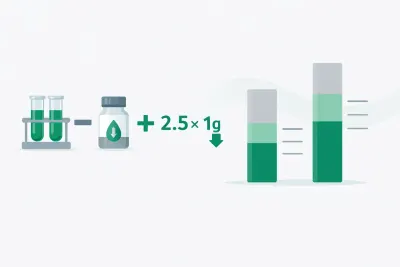
Albumin-Corrected Anion Gap Calculator — Hidden Acidosis
Use our albumin-corrected anion gap calculator to raise the anion gap by 2.5 per 1 g/dL of low albumin and reveal a hidden high-gap metabolic acidosis.
ANC Calculator: Absolute Neutrophil Count & Neutropenia
Free ANC calculator to calculate absolute neutrophil count from WBC and differential. Get ANC in cells/uL and x10^9/L with instant neutropenia grading.
Anion Gap Calculator — Metabolic Acidosis Evaluation
Free anion gap calculator finds serum anion gap from sodium, chloride, and bicarbonate, with albumin correction and delta ratio for metabolic acidosis.
AST/ALT Ratio Calculator — Free De Ritis Ratio Tool
Use our free AST/ALT ratio calculator to compute the De Ritis index instantly. Visual ratio chart, enzyme-level assessment, and clinical patterns guide.