Triglyceride Calculator: Convert & Check TG Ranges
Enter your triglyceride value below for instant conversion between mg/dL and mmol/L, category classification, and optional lipid estimates.
Normal < 150 mg/dL (1.69 mmol/L). Use a fasting sample for best accuracy.
Triglyceride Level
Borderline highEstimates are for education only and may not match every lab method. Discuss results with your clinician. See our Cholesterol Calculator for a full lipid breakdown.
Educational tool, not medical advice. Check this tool’s method and limitations before interpreting a result. Talk to a qualified healthcare professional before making decisions about medication, diet, exercise, or treatment. See our Terms of Use.
Your rating helps improve Triglyceride Calculator — TG Conversion & Ranges. We store only an anonymized vote (no personal data).
How to Use Triglyceride Calculator — TG Conversion & Ranges
Step 1: Enter triglycerides
Type your TG value and pick units (mg/dL or mmol/L).
Step 2: Add optional values
If available, add total cholesterol and HDL to see non‑HDL and LDL (Friedewald).
Step 3: Choose fasting
Toggle fasting if your sample was taken after an 8–12 hour fast.
Step 4: Calculate
Tap Calculate (or change a value) to update results instantly.
Step 5: Review category
Check your TG category and goals and save a screenshot if needed.
Key Features
- Triglyceride mg/dL ↔ mmol/L conversion
- TG categories (normal to very high)
- TG/HDL ratio (insulin resistance marker)
- VLDL estimate (TG/5, fasting)
- LDL (Friedewald) when valid
- Non‑HDL calculation with goals
Understanding Results
Triglyceride Conversion & Calculator Formulas
This triglyceride calculator performs unit conversion between mg/dL and mmol/L (multiply mg/dL by 0.01129). It also estimates VLDL‑C ≈ TG/5, Friedewald LDL = TC − HDL − TG/5, non‑HDL = TC − HDL, and the TG/HDL ratio when you add total cholesterol and HDL. These formulas are widely used but have limits when TG are very high or the sample is non‑fasting.
Triglyceride Ranges & Interpretation
Typical adult TG categories: Normal (< 150 mg/dL / 1.69 mmol/L), Borderline high (150–199 mg/dL), High (200–499 mg/dL), Very high (≥ 500 mg/dL / 5.65 mmol/L). The TG/HDL ratio below 2.0 is ideal; above 4.0 suggests elevated metabolic risk. Trends over time matter more than one result. We also show non‑HDL‑C when available; a common goal is < 130 mg/dL for many adults.
Assumptions & Limitations
Friedewald LDL estimates assume a fasting sample and TG ≤ 400 mg/dL. Non‑fasting meals and alcohol can elevate TG and distort calculated LDL. The TG/HDL ratio uses mg/dL values. Certain conditions and medicines can also raise TG. Use this calculator for education and discussion—your clinician's guidance and lab‑reported values come first, especially for very high results that may warrant urgent attention.
Complete Guide: Triglyceride Calculator — TG Conversion & Ranges

Free triglyceride calculator: convert mg/dL to mmol/L, classify TG ranges, estimate VLDL, LDL (Friedewald), non‑HDL, and TG/HDL ratio from your lipid panel.
This triglyceride calculator converts between mg/dL and mmol/L, classifies your result into clinical categories, and—if you optionally add total cholesterol and HDL—estimates non‑HDL, VLDL, LDL using the Friedewald approach, and your TG/HDL ratio. It is designed for clarity on phones: short labels, large touch targets, and results you can screenshot. It is educational only and does not provide medical advice.
What triglycerides are
Triglycerides (TG) are a form of fat your body uses to store energy. After meals, excess calories are packaged into triglycerides and carried in the bloodstream. Between meals, hormones release triglycerides to fuel cells. A routine lipid panel reports triglycerides along with total cholesterol, LDL, and HDL. While most people think of LDL and HDL first, triglycerides add important context about metabolic health and overall cardiovascular risk.
Many everyday factors influence TG: recent meals, alcohol, weight changes, activity patterns, certain medicines, and underlying conditions. That is why a single number is best interpreted in context—ideally with your other lipid values and a conversation with a clinician. Our triglyceride calculator helps connect these dots without overwhelming jargon.
Why triglycerides matter
Persistently elevated triglycerides are associated with a higher risk of atherosclerotic cardiovascular disease. Very high levels (typically ≥ 500 mg/dL or 5.65 mmol/L) also raise the risk of acute pancreatitis. When triglycerides are high, LDL estimation can be less reliable, and the pattern often coexists with other cardiometabolic risks such as insulin resistance, abdominal fat gain, and higher blood pressure. The good news: everyday changes—nutrition, movement, sleep, and substance habits—tend to move TG in a favorable direction.
How to use this triglyceride calculator
Start with your triglyceride value and choose units (mg/dL or mmol/L). The triglyceride conversion happens instantly when you toggle units. If you have your full lipid panel, add total cholesterol and HDL to view non‑HDL, LDL estimates, and your TG/HDL ratio. For the tightest interpretation, use a fasting sample. If your TG is above 400 mg/dL, the Friedewald LDL estimate is not valid—use your lab‑reported LDL instead.
- Use fasting values when you can; recent meals can elevate TG.
- Enter total cholesterol and HDL to see non‑HDL, LDL (Friedewald), and TG/HDL ratio.
- Toggle mg/dL ↔ mmol/L to convert triglycerides between unit systems.
- Use the conversion table for quick reference values.
Triglyceride conversion: mg/dL to mmol/L
Triglyceride conversion between mg/dL and mmol/L uses a specific factor because the molecular weight of triglycerides (average ~885 g/mol) differs from cholesterol. The conversion formulas are:
- mg/dL to mmol/L: multiply by 0.01129 (or divide by 88.57). Example: 150 mg/dL × 0.01129 = 1.69 mmol/L.
- mmol/L to mg/dL: divide by 0.01129 (or multiply by 88.57). Example: 2.0 mmol/L ÷ 0.01129 = 177 mg/dL.
Note that the triglyceride conversion factor is different from the cholesterol conversion factor (0.02586, based on cholesterol's molecular weight of ~386.65 g/mol). This is why you cannot simply use a single "lipid converter"—our triglyceride calculator applies the correct factor for each analyte automatically. Labs in the United States, Japan, and some other countries report triglycerides in mg/dL, while much of Europe, Canada, and Australia use mmol/L.
Triglyceride ranges and categories
Common adult triglyceride ranges based on fasting levels:
- Normal: below 150 mg/dL (1.69 mmol/L)
- Borderline high: 150–199 mg/dL (1.69–2.25 mmol/L)
- High: 200–499 mg/dL (2.26–5.64 mmol/L)
- Very high: 500 mg/dL (5.65 mmol/L) or above
These thresholds help frame risk and guide conversations about next steps. If your result sits close to a boundary, trends over time matter as much as a single reading. We also display non‑HDL cholesterol (total cholesterol minus HDL) when available. Many guidelines use non‑HDL goals alongside LDL because non‑HDL captures more of the atherogenic particle burden. A typical goal is < 130 mg/dL (3.36 mmol/L) for many adults, though treatment thresholds depend on your overall risk profile.
TG/HDL ratio: what it reveals
The triglyceride-to-HDL ratio (TG/HDL) is calculated by dividing your triglycerides by your HDL cholesterol, both measured in mg/dL. This simple ratio has gained attention as a practical marker for insulin resistance and cardiovascular risk. A TG/HDL ratio below 2.0 is considered ideal, while a ratio above 4.0 is associated with a higher prevalence of smaller, denser LDL particles and greater metabolic risk.
The TG/HDL ratio is not a formal diagnostic tool, but it adds useful context alongside standard lipid targets. If your ratio is elevated, it often tracks with other signs of metabolic syndrome—such as increased waist circumference, higher fasting glucose, and elevated blood pressure. Our triglyceride calculator shows the TG/HDL ratio automatically when you enter both TG and HDL values. For a broader cardiovascular risk picture, pair this with our ASCVD Risk Calculator.
Estimates: VLDL, LDL (Friedewald), non‑HDL
When you enter total cholesterol and HDL, the calculator shows two derived values in addition to non‑HDL. First is an estimate of VLDL‑cholesterol, often approximated as triglycerides divided by 5 (mg/dL) in fasting samples. Second is LDL‑cholesterol estimated by the Friedewald equation: LDL = TC − HDL − TG/5 (valid when TG ≤ 400 mg/dL). These rules of thumb are widely used in everyday practice, yet they have limits—non‑fasting samples or very high TG can skew results. To compare Friedewald against the newer Sampson/NIH equation on your own numbers, use the dedicated LDL cholesterol calculator.
Fasting vs. non‑fasting samples
Many clinicians accept non‑fasting lipid panels. However, triglycerides are particularly sensitive to recent meals and alcohol, so fasting values are often preferred when decisions hinge on TG or calculated LDL. If your non‑fasting TG is high, a repeat fasting test may clarify whether the elevation reflects meals or a persistently higher baseline. Our triglyceride calculator includes a fasting toggle so you can see how it affects the Friedewald LDL validity check.
Non‑HDL vs. LDL: which to follow
LDL‑C has long been a primary target for reducing atherosclerotic risk. Non‑HDL‑C (total cholesterol minus HDL) tracks closely with LDL but also captures triglyceride‑rich lipoproteins, which is helpful when TG are elevated. For many adults, a non‑HDL goal of < 130 mg/dL is reasonable; higher‑risk groups may aim lower under clinician guidance. In practice, clinicians use both LDL and non‑HDL, alongside your overall risk estimate, to shape a plan that fits your circumstances.
This matters most in exactly the situation this page is about: once TG pass 400 mg/dL the Friedewald equation stops reporting a usable LDL, while non‑HDL is unaffected because it never touches triglycerides. Our non-HDL cholesterol calculator matches your result to a risk‑tier target and separates the LDL from the remnant cholesterol your TG are carrying.
If you want a broader perspective, consider checking your 10‑year cardiovascular risk with our ASCVD Risk Calculator. It places lipid values in context with age, blood pressure, smoking, diabetes, and sex, which helps you and your clinician prioritize the biggest levers.
Diet patterns and triglycerides
Several eating patterns can lower TG, but the best one is the pattern you can stick with. Diets that reduce added sugars and refined starches typically help. Emphasizing vegetables, beans, lentils, whole grains, nuts, seeds, and olive oil is a steady baseline. Many people also respond to shifting some calories toward unsaturated fats and away from refined carbohydrates. If you prefer a lower‑carb approach, build it around fiber‑rich plants, fish, eggs, olive oil, yogurt, and nuts to keep it heart‑forward.
Short‑term "resets" rarely stick. Think small swaps you can repeat: water instead of soda at lunch, an extra serving of vegetables at dinner, and a 10‑minute walk after a meal. Our Adult BMI Calculator can add context if you are tracking weight alongside your lipid changes—though BMI is just one data point.
Alcohol and triglycerides
Alcohol can significantly raise TG in some people, even at moderate intake. If your TG is higher than expected, a short break from alcohol (two to four weeks) is a useful experiment. Recheck a fasting TG afterward to see how much it changed. This simple A/B test often answers the question better than speculation.
Weight change and TG
Modest weight changes can shift triglycerides. If weight loss is part of your plan, aim for something sustainable—think pounds per month, not per week. As short, actionable tools, our TDEE Calculator and Weight Loss Calorie Calculator can help you set a sensible target. Pair small calorie changes with consistent activity to avoid the "all or nothing" trap.
Omega‑3 fats: food and prescriptions
Fatty fish (salmon, sardines, trout) and certain nuts/seeds provide omega‑3 fats that can help lower TG over time. In higher‑risk cases or with very high TG, clinicians sometimes consider prescription‑strength omega‑3s. Because supplements vary in purity and dose, decisions about concentrated omega‑3s are best made with your clinician, not by guesswork.
How often to recheck
There is no single rule. If you made a change—diet, alcohol, activity, or medicine—checking a fasting lipid panel in 6–12 weeks is reasonable to see the direction of travel. If your TG was very high, your clinician may want a sooner check or additional tests. Between labs, home tracking can keep momentum: our Blood Pressure Calculator and A1C Calculator complement lipid monitoring for a fuller picture.
Special cases and caveats
Diabetes, hypothyroidism, kidney or liver disease, pregnancy, and certain medicines can all affect triglycerides. Genetic lipid disorders can also present with very high TG. If your result is unusual for you, or very high, a clinician can sort through these possibilities and advise next steps. The right plan depends on the person in front of them, not just a number on paper.
What can raise triglycerides
Short‑term factors include large or high‑carbohydrate meals, alcohol, and long sedentary stretches. Longer‑term drivers can include weight gain, insulin resistance or diabetes, hypothyroidism, certain medicines (some beta‑blockers, estrogen, steroids), and genetic lipid disorders. If your number surprises you, review recent habits and medications and consider a second test.
Practical ways to lower triglycerides
You do not need a perfect plan to nudge TG down. Small, repeatable habits compound. Focus on what you can keep doing next week:
- Move most days: Brisk walking for 20–30 minutes, most days, meaningfully improves TG over time.
- Favor fiber and unsaturated fats: Vegetables, legumes, nuts, seeds, fish, and olive oil support healthier lipids.
- Reduce sugary drinks and excess refined starches: These often drive TG upward; swap for water or unsweetened tea.
- Moderate alcohol: Even modest alcohol can elevate TG in some people; a short break can be revealing.
- Prioritize sleep: A steady 7–8 hours supports appetite and glucose regulation that influence TG.
If TG remain high, talk with your clinician. Medicines such as statins, fibrates, and prescription omega‑3s may be considered in the right situations. The decision depends on your overall risk picture, preferences, and other lab values.
Examples (walkthroughs)
These simple scenarios show how the triglyceride calculator behaves with common patterns. They are illustrative only and not medical advice.
- Normal TG, solid HDL: TG 110 mg/dL (1.24 mmol/L), TC 190 mg/dL, HDL 58 mg/dL (fasting). Category: Normal. Non‑HDL 132 mg/dL. Friedewald LDL ≈ 110 mg/dL. TG/HDL ratio 1.90 (ideal). Emphasis: maintain habits; keep tracking.
- Borderline TG after a big dinner: TG 175 mg/dL (1.98 mmol/L) non‑fasting, no TC/HDL entered. Category: Borderline high. Next step: consider a fasting repeat; reflect on recent meals.
- High TG with limited data: TG 265 mg/dL (2.99 mmol/L), TC 212 mg/dL, HDL 42 mg/dL. Category: High. Non‑HDL 170 mg/dL. TG/HDL ratio 6.31 (high risk). Friedewald LDL ≈ 117 mg/dL (fasting recommended to confirm). Lifestyle focus plus clinician discussion.
- Very high TG: TG 525 mg/dL (5.93 mmol/L). Category: Very high (pancreatitis risk). The calculator disables LDL validity. This situation warrants prompt clinical attention.
When to talk to a clinician
Any unexpectedly high number deserves a second look. Seek care promptly for very high TG (typically ≥ 500 mg/dL or 5.65 mmol/L), especially if you have abdominal pain or a history of pancreatitis. Otherwise, schedule time with your clinician to review your full lipid panel, blood pressure, glucose/A1C, and family history. Asking about non‑HDL, TG/HDL ratio, and long‑term risk (for example, an ASCVD estimate) gives a clearer picture than one value alone.
Related calculators
These tools pair naturally with triglyceride tracking and help round out the cardiometabolic picture:
- Cholesterol Calculator — view LDL, HDL, and non‑HDL together.
- Cholesterol Ratio Calculator — check TC:HDL and other informative ratios.
- ASCVD Risk Calculator — estimate 10‑year cardiovascular risk.
- Adult BMI Calculator — a simple context point for weight trends.
- Blood Pressure Calculator — check categories and track at home.
- A1C Calculator — convert HbA1c to eAG, helpful for metabolic context.
- All Calculators — browse all tools in one place.
Sources
Selected patient‑friendly references you may find helpful:
- American Heart Association — Triglycerides overview. heart.org
- CDC — Cholesterol and triglycerides basics. cdc.gov
- National Heart, Lung, and Blood Institute — Blood cholesterol. nhlbi.nih.gov
This guide is educational and not a substitute for professional care. Always confirm decisions with your clinician.

Written by Marko Šinko
Co-Founder & Lead Developer
Computer scientist and developer working on calculator implementation, data handling, and accessible interfaces. His authorship describes development work, not independent medical review.
View full profileFrequently Asked Questions
What does the triglyceride calculator show?
It converts triglycerides between mg/dL and mmol/L, classifies your TG level into normal, borderline, high, or very high, and—if you add total cholesterol and HDL—estimates non‑HDL, VLDL, LDL (Friedewald), and TG/HDL ratio.
How do I convert triglycerides from mg/dL to mmol/L?
Multiply your mg/dL value by 0.01129 to get mmol/L. For example, 150 mg/dL × 0.01129 = 1.69 mmol/L. Our triglyceride conversion tool does this automatically and also converts mmol/L back to mg/dL by dividing by 0.01129.
Do I need to fast for accurate triglycerides?
Fasting (8–12 hours) is recommended when decisions hinge on TG or calculated LDL. Food and alcohol can raise TG for several hours. If a non‑fasting result is high, consider a fasting repeat.
What is the TG/HDL ratio and why does it matter?
The TG/HDL ratio divides your triglycerides by HDL cholesterol (both in mg/dL). A ratio below 2.0 is ideal. Higher ratios are associated with insulin resistance, smaller LDL particles, and increased cardiovascular risk. It is a simple marker your clinician may discuss alongside standard lipid targets.
When is the Friedewald LDL not valid?
The Friedewald equation (LDL = TC − HDL − TG/5) is not valid when TG are above 400 mg/dL or when the sample is non‑fasting. Use a lab‑reported LDL in those cases.
What are typical triglyceride ranges in mg/dL and mmol/L?
Normal: below 150 mg/dL (1.69 mmol/L). Borderline high: 150–199 mg/dL (1.69–2.25 mmol/L). High: 200–499 mg/dL (2.26–5.64 mmol/L). Very high: 500 mg/dL (5.65 mmol/L) or above. Your clinician may personalize targets based on overall risk.
Can lifestyle changes lower triglycerides?
Yes. Regular activity, favoring fiber and unsaturated fats, reducing sugary drinks and excess refined starches, moderating alcohol, and steady sleep patterns often help over time. Even modest weight loss of 5–10% can meaningfully lower TG.
Is this triglyceride calculator free and private?
Yes. It is completely free to use and privacy‑first—your inputs are not stored on our servers. All calculations run in your browser. Screenshot your results if you want to keep a record.
Related Calculators

A1C Calculator — Convert HbA1c to eAG with Targets
Use our A1C calculator to convert HbA1c to estimated average glucose (eAG). See normal, prediabetes, and diabetes thresholds in mg/dL and mmol/L. Fast results.

Albumin Calculator — Serum Albumin Level Interpretation
Free albumin calculator to interpret serum albumin levels, grade hypoalbuminemia, and compute A/G ratio plus albumin-corrected calcium from your lab results.
Albumin-Corrected Anion Gap Calculator — Hidden Acidosis
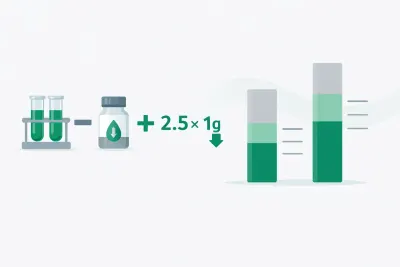
Use our albumin-corrected anion gap calculator to raise the anion gap by 2.5 per 1 g/dL of low albumin and reveal a hidden high-gap metabolic acidosis.

ANC Calculator: Absolute Neutrophil Count & Neutropenia
Free ANC calculator to calculate absolute neutrophil count from WBC and differential. Get ANC in cells/uL and x10^9/L with instant neutropenia grading.
Anion Gap Calculator — Metabolic Acidosis Evaluation
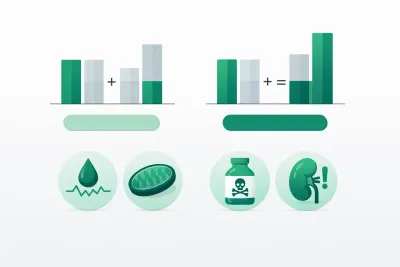
Free anion gap calculator finds serum anion gap from sodium, chloride, and bicarbonate, with albumin correction and delta ratio for metabolic acidosis.

AST/ALT Ratio Calculator — Free De Ritis Ratio Tool
Use our free AST/ALT ratio calculator to compute the De Ritis index instantly. Visual ratio chart, enzyme-level assessment, and clinical patterns guide.