Use the Nutrition Calculator
Analyze any food with our food nutrition calculator. See calories, macros, and 13 vitamins & minerals per serving. Search 50+ foods, filter by category, and track your daily totals.
Start analyzing a food
Search & Add Food
Add custom food (per 100g values)
Food list & totals
No foods added yet. Search above or add a custom food.
Common foods reference (per 100g)
| Food | kcal | P (g) | C (g) | F (g) |
|---|---|---|---|---|
| Chicken breast, grilled (skinless) | 165 | 31 | 0 | 3.6 |
| Chicken thigh, cooked (skinless) | 209 | 26 | 0 | 10.9 |
| Turkey breast, roasted | 135 | 30 | 0 | 0.7 |
| Egg, whole (hard-boiled) | 155 | 12.6 | 1.1 | 10.6 |
| Egg white, cooked | 52 | 10.9 | 0.7 | 0.2 |
| Beef, ground (93% lean), cooked | 172 | 26 | 0 | 7 |
| Pork loin, roasted | 143 | 27 | 0 | 3.5 |
| Tofu, firm | 144 | 15.6 | 2.3 | 8.7 |
| Salmon, Atlantic, cooked | 208 | 20 | 0 | 13 |
| Tuna, canned in water, drained | 116 | 25.5 | 0 | 0.8 |
| Shrimp, cooked | 99 | 24 | 0.2 | 0.3 |
| White rice, cooked | 130 | 2.4 | 28.2 | 0.3 |
| Brown rice, cooked | 123 | 2.7 | 25.6 | 1 |
| Oatmeal, cooked | 68 | 2.4 | 11.9 | 1.4 |
| Whole wheat bread | 247 | 12.3 | 41.3 | 3.5 |
| Pasta, cooked (enriched) | 131 | 5 | 25 | 1.1 |
| Quinoa, cooked | 120 | 4.4 | 21.3 | 1.9 |
| Sweet potato, baked | 90 | 2 | 20.7 | 0.1 |
| Potato, baked (with skin) | 93 | 2.5 | 21.2 | 0.1 |
| Banana, raw | 89 | 1.1 | 22.8 | 0.3 |
Nutrition values are estimates based on USDA data and can vary by brand, cooking method, and measurement. This tool provides calculations only and does not offer medical or dietary advice.
Educational tool, not medical advice. Check this tool’s method and limitations before interpreting a result. Talk to a qualified healthcare professional before making decisions about medication, diet, exercise, or treatment. See our Terms of Use.
Your rating helps improve Nutrition Calculator — Food Analysis. We store only an anonymized vote (no personal data).
How to Use Nutrition Calculator — Food Analysis
Step 1: Search or filter foods
Type a food name in the search bar or tap a category pill (Protein, Grains, Fruit, etc.) to narrow the list. Select a food to see its per-100g breakdown.
Step 2: Set serving size in grams
Enter the exact gram weight in the Grams field, or tap +50 to adjust quickly. The preview updates instantly.
Step 3: Add to your food list
Press Add to list to include the food. You can edit grams inline or remove any item at any time.
Step 4: Review macro and micro totals
See total calories, protein, carbs, and fat with a color-coded split bar. Tap any item to view its vitamin and mineral profile.
Step 5: Check total micronutrients
Scroll to the Total Vitamins and Minerals panel to see combined percentages of Daily Value across all your foods.
Step 6: Set daily targets (optional)
Open Daily targets to estimate your TDEE and macro goals, then compare your intake against progress bars.
Key Features
- 50+ foods with USDA-sourced macro and micro data
- 13 vitamins and minerals with % Daily Value
- Category filter pills for quick food search
- Color-coded macro split bar and per-item detail
- Daily calorie and macro targets with progress bars
- Copy summary, custom food entry, and mobile sticky bar
Understanding Results
Formula
The calculator uses proportional math based on per-100-gram values. If a food provides 130 kcal per 100 g and your serving is 150 g, calories are 130 × (150 ÷ 100) = 195 kcal. The same scaling applies to protein, carbohydrates, fat, fiber, sugar, sodium, and all 13 tracked micronutrients. Energy from macronutrients follows the common convention: protein ≈ 4 kcal/g, carbohydrates ≈ 4 kcal/g, and fat ≈ 9 kcal/g. Totals are the sum of all items you add.
Reference Ranges & Interpretation
For macronutrients: protein intake typically falls between 1.2–2.2 g/kg/day depending on goals and activity. Dietary fat commonly spans 20–40% of total calories. Fiber intakes of roughly 25–38 g/day support digestion and fullness. For micronutrients, percentages are based on FDA Daily Values: for example, 18 mg/day for iron, 1,300 mg/day for calcium, and 4,700 mg/day for potassium. For label reading guidance, see the U.S. FDA consumer guide.
When you enable Daily targets, the tool estimates maintenance calories (TDEE) from the Mifflin–St Jeor equation and your activity level, then applies your goal (maintain, deficit, or surplus). Protein is set in grams per kilogram of body weight; fat is a percentage of calories; remaining calories are carbohydrates. The progress bars compare your totals to those targets in real time.
Assumptions & Limitations
Nutrition values vary by brand, recipe, and cooking method. Raw versus cooked weight changes the numbers per gram because water content shifts. Micronutrient data is sourced from USDA reference values and may differ from your specific product. Restaurant dishes can be difficult to estimate precisely; use reasonable approximations and aim for consistency over time. This tool provides calculations only and does not offer medical advice. For specific dietary guidance or clinical conditions, consult a qualified professional.
Complete Guide: Nutrition Calculator — Food Analysis
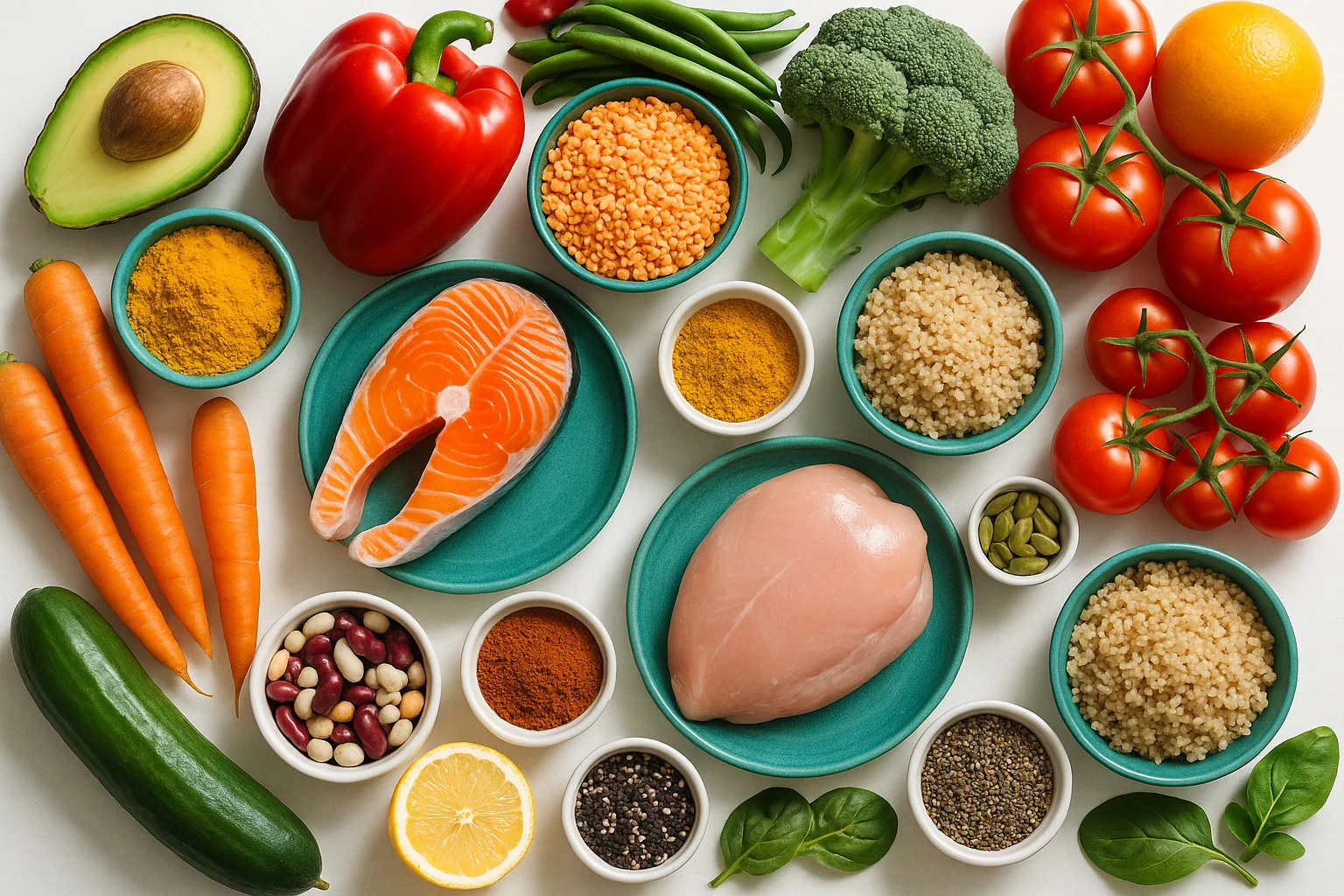
On this page
A good nutrition calculator turns a confusing food label into numbers you can actually use. This one breaks down any food or meal into calories, protein, carbs, fat, fiber, sugar, sodium, and key vitamins and minerals—all from a single search bar. Whether you're weighing chicken breast on a kitchen scale or eyeballing a bowl of oatmeal, the math behind your plate shouldn't feel like guesswork.
Below you'll find how the calculator works, what the numbers mean, and how to pair macro tracking with micronutrient awareness for a more complete picture of what you eat. If you've ever wondered why two people eating the "same" meal end up with wildly different nutrition totals, this guide explains exactly that.
What this nutrition calculator does
Most food trackers bury you in menus. This tool takes a different approach: search a database of 50+ common foods, tap to select, set your grams, and see instant results. Every item shows calories, all three macronutrients, plus fiber, sugar, and sodium per serving. Add multiple foods and the calculator sums everything into a running total with a color-coded macro split bar.
The micronutrient panel is what sets it apart. Tap any food in your list to see its vitamin and mineral profile—Vitamin A, C, D, E, K, B6, B12, folate, calcium, iron, magnesium, potassium, and zinc—each shown as a percentage of the FDA Daily Value. A combined total for all your foods appears below the list, giving you a snapshot of your overall micronutrient intake without opening a second app.
Category filter pills let you jump straight to protein sources, grains, fruits, vegetables, dairy, nuts, legumes, or seafood. If your food isn't in the database, the custom entry form takes per-100g values from any package label and handles the serving math automatically.
How the tool calculates calories, macros, and micros
All per-serving values come from proportional math based on per-100g data. Here's a worked example: cooked white rice provides 130 kcal, 2.4g protein, 28.2g carbs, and 0.3g fat per 100g. You serve yourself 200g. The calculator multiplies each nutrient by 2.0 (200 / 100):
| Nutrient | Per 100g | x 2.0 | Per 200g |
|---|---|---|---|
| Calories | 130 kcal | × 2 | 260 kcal |
| Protein | 2.4g | × 2 | 4.8g |
| Carbs | 28.2g | × 2 | 56.4g |
| Fat | 0.3g | × 2 | 0.6g |
Energy conversion follows the standard convention: protein and carbohydrates each supply roughly 4 kcal per gram, fat supplies about 9 kcal per gram. Micronutrients scale the same way—if 100g of spinach contains 469 mcg of Vitamin A (52% DV) and you eat 50g, you get about 235 mcg (26% DV). For a clear introduction to food labels and daily values, the FDA's consumer guide is a solid starting point.
Micronutrients: vitamins and minerals your body needs
Macros get all the attention, but micronutrients do most of the behind-the-scenes work. Iron carries oxygen in your blood. Calcium builds bone. Vitamin D helps you absorb that calcium. Folate is critical during pregnancy. Potassium keeps your heart rhythm steady. The problem? Most people have no idea how much they're actually getting from food.
This food nutrition calculator tracks 13 micronutrients across your meal. Each one shows a percentage of the FDA Daily Value, making it easy to spot gaps. A few practical examples:
- 100g of spinach delivers 483 mcg of Vitamin K (402% DV) and 2.7mg of iron (15% DV)
- One hard-boiled egg (about 50g) provides 1.1 mcg of Vitamin D (roughly 5.5% DV)
- 100g of almonds packs 25.6mg of Vitamin E (171% DV) and 270mg of magnesium (64% DV)
Seeing these numbers adds a dimension that calorie counting alone misses. Someone eating 2,000 kcal of processed snacks and someone eating 2,000 kcal of whole foods will look identical on a macro tracker—but their vitamin and mineral intake will be drastically different. That's why tracking both macros and micros together gives a more honest picture. If you want to go deeper on overall dietary balance, the Dietary Guidelines for Americans outline recommended intakes by age and sex.
Set daily calorie and macro targets
Numbers without context are just numbers. The daily targets section estimates your maintenance calories using the Mifflin-St Jeor equation, then factors in your activity level and goal (maintain, deficit, or surplus). You set a protein target in grams per kilogram of body weight and a fat percentage of total calories. Remaining calories go to carbohydrates. As you add foods, progress bars compare your running intake to those targets in real time.
For a more detailed estimate of energy expenditure, our TDEE calculator breaks down maintenance calories across multiple equations. The macro calculator helps you plan protein, carb, and fat splits for different diet styles, and the protein calculator zeroes in on daily protein needs based on your training goals and lean mass.
Serving sizes and food variability
"One serving" on a package can mean almost anything. A "serving" of peanut butter is 32g—roughly two tablespoons. Most people use closer to 50g and wonder why the calories don't match. This nutrition calculator sidesteps the confusion by using grams as the universal base unit. You control the exact amount.
Raw versus cooked weight matters more than most people realize. Chicken breast loses about 25% of its weight when cooked (water evaporating), which means 100g of cooked chicken breast has more protein per gram than 100g raw. Rice absorbs water during cooking, so 100g of cooked rice contains fewer calories than 100g dry. Pick one convention—either always weigh raw or always weigh cooked—and stick with it. Consistency beats precision for long-term tracking.
Plan meals step by step
Here's a practical workflow that works whether you're meal prepping for the week or building a plate on the fly:
- Anchor with protein. Search for your main protein source (chicken, tofu, salmon, eggs) and add it first. Protein is the hardest macro to hit and the most satiating.
- Add a carb source. Rice, potato, quinoa, pasta—pick one. Adjust grams until calories look right.
- Fill with produce. Vegetables add volume, fiber, and micronutrients without blowing up the calorie count. Broccoli, spinach, and bell peppers are nutrient-dense picks.
- Finish with fats. Olive oil, avocado, nuts. These are calorie-dense, so small adjustments make a big difference.
- Check the split. Look at the macro bar. If protein is below 25-30%, bump the protein source. If calories are too high, trim the densest item first (usually oils or nuts).
For full recipe analysis with ingredient lists and per-serving breakdowns, the recipe nutrition calculator handles multi-ingredient dishes. If you're focused on daily energy balance, the calorie calculator shows how intake compares to expenditure over time.
Weight loss, muscle gain, and maintenance
Different calorie targets, same food quality principles. For fat loss, a 10-20% calorie deficit maintained consistently outperforms aggressive cuts that last two weeks before a rebound. For muscle gain, a 10-15% surplus with adequate protein (1.6-2.2 g/kg) and progressive resistance training is the evidence-based approach. Maintenance sits in between: eat near your TDEE and keep protein steady.
In all cases, protein adequacy matters more than perfection on any single day. A systematic review in the British Journal of Sports Medicine (2018) found that protein intake above 1.6 g/kg/day didn't produce significant additional muscle gain in trained individuals. That doesn't mean higher is harmful—it just means hitting 1.6-2.0 g/kg is the practical sweet spot for most people.
For a dedicated deficit planner, try the weight loss calorie calculator. If you follow low-carb or keto, the keto macro calculator builds your plan with carb limits built in.
Best practices for accurate tracking
Track one meal per day for a week before committing to logging everything. That single meal reveals patterns: most people underestimate fats and overestimate protein. Use a kitchen scale when you can—eyeballing a "tablespoon" of oil versus actually measuring it can differ by 50+ calories. When eating out, estimate conservatively and focus on the protein anchor plus visible fats. Don't stress the fiber or sodium numbers on a restaurant meal; those are impossible to pin down without a recipe.
Sodium is the one nutrient where the per-meal figure misleads badly, because the daily ceiling of 2,300 mg is easy to pass without eating anything that tastes salty—a sandwich on two slices of bread with deli meat and processed cheese is already around 1,160 mg. If that is the number you are chasing, the sodium intake calculator tallies a whole day and ranks which items are carrying it.
Save your most-used foods as custom entries so you're not re-entering label data every day. And focus on trends over single days. One high-calorie meal doesn't derail a week of consistent intake—the weekly average is what moves the needle.
Common food nutrition reference table
This reference table shows macronutrient values per 100g for frequently searched foods. Use it as a quick lookup when you don't have a label handy:
| Food (per 100g) | kcal | Protein | Carbs | Fat | Fiber |
|---|---|---|---|---|---|
| Chicken breast, grilled | 165 | 31g | 0g | 3.6g | 0g |
| Salmon, cooked | 208 | 20g | 0g | 13g | 0g |
| Egg, hard-boiled | 155 | 12.6g | 1.1g | 10.6g | 0g |
| White rice, cooked | 130 | 2.4g | 28.2g | 0.3g | 0.4g |
| Oatmeal, cooked | 68 | 2.4g | 11.9g | 1.4g | 1.7g |
| Banana, raw | 89 | 1.1g | 22.8g | 0.3g | 2.6g |
| Broccoli, steamed | 35 | 2.4g | 7.2g | 0.4g | 3.3g |
| Spinach, raw | 23 | 2.9g | 3.6g | 0.4g | 2.2g |
| Almonds, raw | 579 | 21.2g | 21.7g | 49.9g | 12.5g |
| Lentils, cooked | 116 | 9.0g | 20.1g | 0.4g | 7.9g |
| Greek yogurt, 2% | 73 | 10g | 3.6g | 2.0g | 0g |
| Avocado, raw | 160 | 2.0g | 8.5g | 14.7g | 6.7g |
Values are based on USDA data and serve as general reference points. Your specific brand or preparation method may differ, so always defer to the label on your product when available.
Limitations and responsible use
Nutrition values are estimates. Different brands, seasons, soil quality, and cooking methods all shift the numbers. Packaged foods change formulations over time, and fresh produce varies by variety and ripeness. The micronutrient data in our database comes from USDA reference values—your actual intake could be higher or lower depending on the specific product.
This food nutrition calculator is a planning tool, not medical advice. If you have a diagnosed deficiency, kidney disease, or any condition that requires precise nutrient management, work with a registered dietitian who can run lab-based assessments. Our goal is to make the math transparent so you can make informed choices—not to replace clinical care.
Ready to explore more tools? Browse the full collection on the calculators index or the Nutrition & Diet category. Small, consistent steps compound—this calculator helps you keep them visible.

Written by Jurica Šinko
Founder & CEO
Entrepreneur and health information advocate, passionate about making health calculations accessible to everyone through intuitive digital tools.
View full profileFrequently Asked Questions
What does this food nutrition calculator track?
It tracks calories, protein, carbs, fat, fiber, sugar, sodium, and 13 vitamins and minerals (including Vitamin A, C, D, iron, calcium, magnesium, potassium, and zinc) for 50+ common foods. Results update instantly as you add items or change grams.
How do I calculate macros and micros for a food?
Search for a food, set the serving size in grams, and tap Add to list. The calculator shows macros immediately and you can tap the food item to see its full vitamin and mineral profile with percentage of Daily Value.
How accurate are the nutrition values?
Values are based on USDA reference data per 100 grams. Actual amounts vary by brand, cooking method, and product lot. Using a kitchen scale for gram weights gives the most consistent results.
Can I track a full day of meals?
Yes. Add every food you eat throughout the day and the calculator sums all calories, macros, and micronutrients. Use the Daily targets feature to compare your running total against a calorie and macro goal.
What if my food is not in the database?
Use the custom food entry. Enter the per-100g values from your product label (calories, protein, carbs, fat, fiber, sugar, sodium) and the calculator scales everything to your serving size automatically.
What is the difference between macros and micronutrients?
Macronutrients (protein, carbs, fat) provide energy measured in calories. Micronutrients (vitamins and minerals) are needed in smaller amounts for functions like immune support, bone health, and oxygen transport. This calculator tracks both.
Can this nutrition calculator help with weight loss?
Yes. Open the Daily targets section to estimate your maintenance calories using the Mifflin-St Jeor equation, set a deficit goal, and track your intake against that target. Tracking both macros and micros helps ensure nutrient adequacy during a calorie deficit.
Is this nutrition calculator free to use?
Yes. The tool is completely free, requires no account or registration, and does not store any personal data. Use the Copy summary button to save your results.
Related Calculators

BMR Calculator: Basal Metabolic Rate by Proven Formulas
Use our BMR calculator to estimate your basal metabolic rate using Mifflin–St Jeor or revised Harris–Benedict formulas. Choose metric or US units and see TDEE.
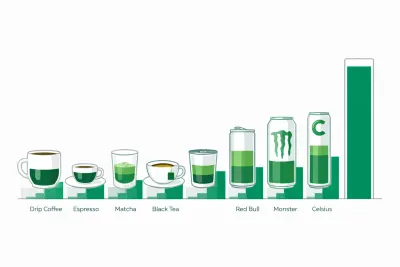
Caffeine Content Calculator — Coffee, Energy Drinks & Tea
Free caffeine content calculator showing how much caffeine is in coffee, espresso, tea, Red Bull, Monster and Celsius, plus your safe daily limit by weight.
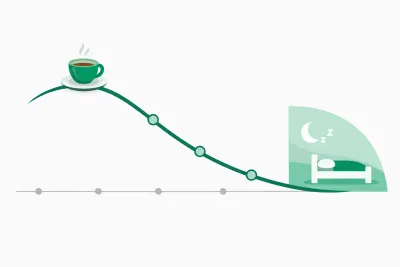
Caffeine Half-Life Calculator: How Long Caffeine Lasts
Free caffeine half-life calculator showing how much caffeine is left at bedtime, your personal clearance rate, and the latest safe cutoff time to drink.

Calorie Calculator: Daily TDEE and Intake Estimate
Use our calorie calculator to estimate daily energy needs (TDEE) from age, sex, height, weight, and activity. See maintain, loss, and gain targets instantly.
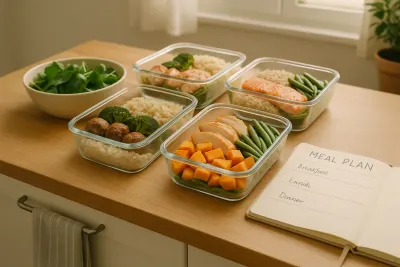
Calorie Deficit Calculator — Set a Safe Daily Deficit
Use our calorie deficit calculator to set a safe daily calorie target. Estimate TDEE, choose a weekly weight-loss rate, and see deficit, timeline, and guidance.
Calorie Density Calculator: Calories per Gram of Food
Free calorie density calculator that turns calories and grams into kcal per gram, sorts any food into four energy density bands, and compares two foods.