ISI Score
(0/7 answered)ISI Score Ranges (0\u201328):
Personalized Sleep Tips
Answer the questions above to see tips targeted to the areas where you scored highest. Tips appear when any item is rated Moderate or higher.
This ISI calculator is for educational purposes only. It is not a medical diagnosis. If symptoms persist, consult a healthcare provider.
Educational tool, not medical advice. Check this tool’s method and limitations before interpreting a result. Talk to a qualified healthcare professional before making decisions about medication, diet, exercise, or treatment. See our Terms of Use.
Your rating helps improve Insomnia Severity Index (ISI) Calculator and Scoring. We store only an anonymized vote (no personal data).
How to Use Insomnia Severity Index (ISI) Calculator and Scoring
Step 1: Complete the 7 ISI questions
Rate each insomnia severity index item from 0 (none) to 4 (very severe) based on the past two weeks. Tap an option to select it.
Step 2: Check your ISI score
Your total ISI score and severity band update automatically in the sticky header as you answer. The score ranges from 0 to 28.
Step 3: Review the score breakdown
After completing all items, see a per-question breakdown showing which sleep areas scored highest and need the most attention.
Step 4: Read personalized sleep tips
Get targeted sleep hygiene suggestions based on the specific items where you scored Moderate or higher.
Step 5: Adjust answers to explore
Change individual answers to see how each ISI item influences your total score and severity category.
Step 6: Take action on your results
If your ISI score is moderate (15–21) or severe (22–28), consider CBT‑I or speaking with a sleep specialist.
Key Features
- Full 7-item Insomnia Severity Index (ISI) questionnaire
- Instant ISI score with severity band and visual breakdown
- Personalized sleep hygiene tips based on your responses
- Per-question score breakdown to identify problem areas
- Mobile-friendly design with sticky score header
Understanding Your ISI Score
How ISI Scoring Works
The Insomnia Severity Index (ISI) is a validated 7‑item questionnaire used across sleep research and clinical practice. ISI scoring sums each item rated 0–4, producing a total ISI score between 0 and 28. The seven items measure difficulty falling asleep, difficulty staying asleep, early morning awakening, sleep satisfaction, interference with daytime functioning, noticeability of sleep problems to others, and worry or distress about sleep. Higher totals indicate more severe insomnia symptoms.
This ISI calculator maps your total to standard clinical cutoffs: 0–7 no clinically significant insomnia, 8–14 subthreshold insomnia, 15–21 moderate clinical insomnia, and 22–28 severe clinical insomnia. Alongside the score, you see a per‑question breakdown and personalized tips you can act on tonight.
ISI Score Ranges & Interpretation
An ISI score of 0–7 usually reflects good sleep or mild, short‑term disruptions. Scores of 8–14 (subthreshold) suggest recurring symptoms that often improve with consistent routines, morning light exposure, reduced evening stimulants, and structured wind‑down time. An ISI score of 15–21 (moderate) or 22–28 (severe) points to persistent difficulties where cognitive behavioral therapy for insomnia (CBT‑I) is the recommended first‑line treatment with strong clinical evidence.
Use your ISI results to focus on the items that scored highest. If difficulty falling asleep drives your total, try a predictable wind‑down period and limit screens in the last hour. If difficulty staying asleep is the main issue, keep the bedroom dark, cool, and quiet, and if awake for more than about 20 minutes, get up for a calm activity until sleepy again.
Assumptions & Limitations
The ISI is a screening measure, not a diagnosis. It does not test for underlying causes such as sleep apnea, restless legs syndrome, chronic pain, medication effects, anxiety, or depression. Environmental factors (noise, light, temperature) and lifestyle habits (caffeine, alcohol, screen time, stress) also influence sleep quality. If symptoms persist, worsen, or affect safety (e.g., drowsy driving), speak with a clinician.
This insomnia severity index calculator is educational. It does not provide medical advice.
Complete Guide: Insomnia Severity Index (ISI) Scoring and Sleep Improvement
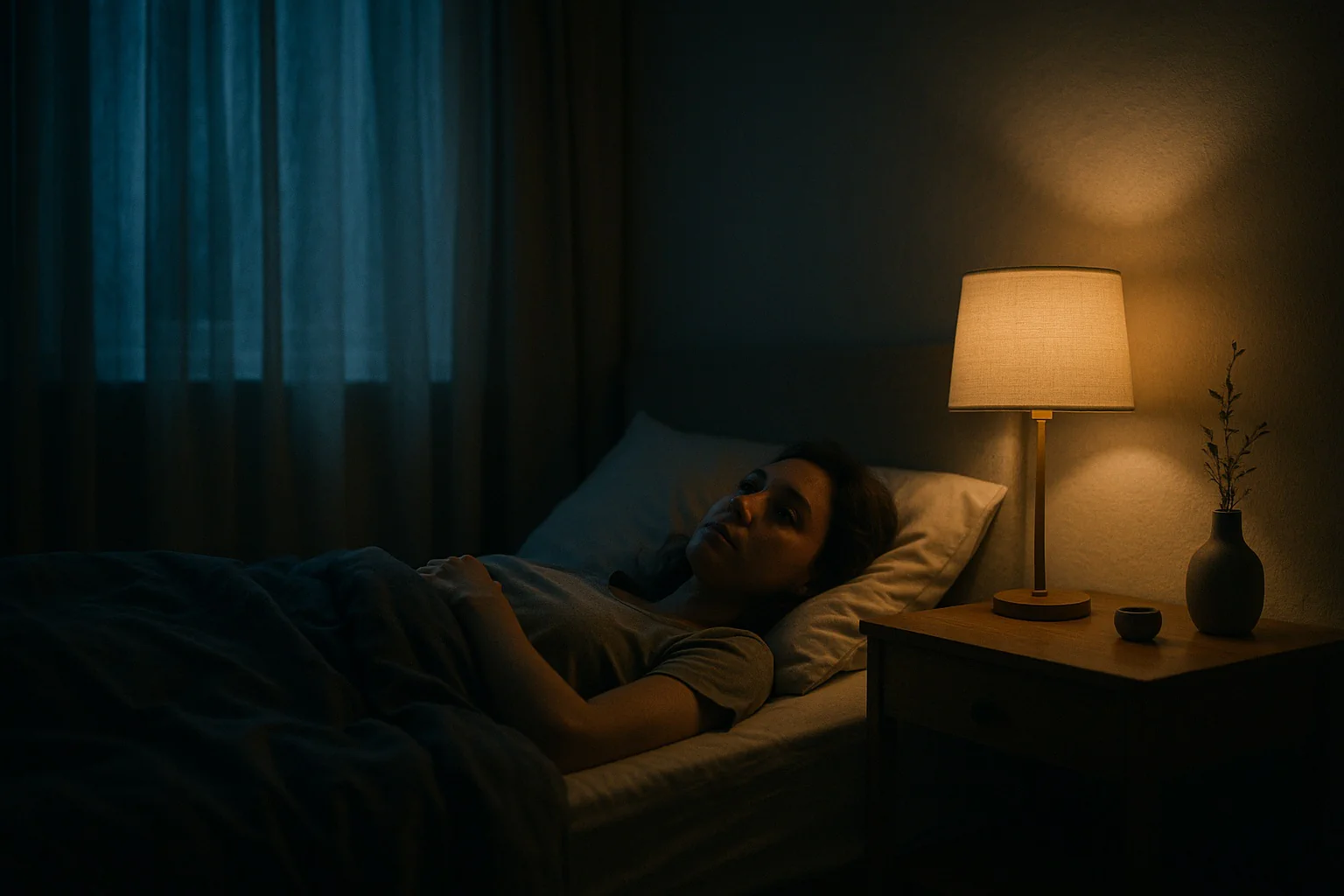
Free ISI calculator with the full 7-item insomnia severity index scoring online. Get your ISI score, severity band, per-question breakdown, and sleep tips.
This guide explains how insomnia severity index scoring works, what each ISI score range means, and how to turn your results into small, realistic improvements. Whether you scored in the subthreshold or severe range, the goal is to help you translate a number into simple actions that make tonight a little easier and next week more consistent.
What Is Insomnia?
Insomnia is more than the odd rough night. It describes repeated difficulty falling asleep, staying asleep, or waking earlier than planned, paired with daytime effects like fatigue, brain fog, irritability, or low motivation. According to the NIH National Institute of Neurological Disorders and Stroke, short‑term insomnia can follow stress, travel, or schedule shifts, while chronic insomnia persists at least three nights a week for three months or longer. The experience varies: some people lie awake for hours, some wake in the middle of the night, and some pop up at 4:30 a.m. like an alarm. Many experience a mix of these patterns over time.
Because sleep touches nearly every system, sleep trouble can also reflect pain, breathing disorders, medication side effects, anxiety, or depression. That is why tools like the insomnia severity index focus on the experience of sleep and its impact, while a clinician considers potential causes during an evaluation.
How the Insomnia Severity Index Works
The ISI is a short, seven‑question survey developed by Charles Morin and widely used in sleep research and practice. Each item is scored 0–4, so totals run 0–28. The questions cover difficulty falling asleep, staying asleep, early waking, satisfaction, daytime impact, noticeability, and worry. Most people complete the ISI test in under two minutes when the prompts are simple and mobile‑friendly, as in our insomnia calculator above.
ISI scoring is straightforward: add up the seven ratings to get your total. The ISI has been validated across multiple populations and languages, making it one of the most reliable brief insomnia screeners available. Clinicians often use it to track treatment response over time—a drop of 6 or more points is generally considered clinically meaningful improvement.
ISI Score Ranges Explained
ISI scores map to standard clinical cutoffs established by Morin et al. (2011). Understanding what each range means helps you decide on next steps:
- ISI score 0–7 (No clinically significant insomnia) — Your sleep is within normal range. Keep good habits like a consistent schedule and a cool, dark bedroom.
- ISI score 8–14 (Subthreshold insomnia) — You have some sleep difficulties but they haven't reached clinical levels. Consistent sleep hygiene improvements often help at this stage.
- ISI score 15–21 (Moderate clinical insomnia) — Recurring symptoms are clearly present and affecting your day. Consider structured approaches like stimulus control, sleep restriction, or CBT‑I.
- ISI score 22–28 (Severe clinical insomnia) — Sleep problems are persistent and significantly impact quality of life. Professional evaluation and CBT‑I are strongly recommended.
A change of about 6 points on the ISI scale is typically considered a clinically meaningful improvement. If you track your ISI score weekly, look for this kind of shift over 2–4 weeks as a sign that your changes are working.
The ISI is not the only validated instrument here, and the two most common ones answer different questions. The ISI grades how severe and distressing an insomnia complaint is over the past two weeks. The PSQI calculator instead breaks the past month into seven separate components—quality, latency, duration, efficiency, disturbances, medication and daytime dysfunction—each scored 0–3 for a global total out of 21, with anything above 5 marking a poor sleeper. Run it when you do not yet know which part of your sleep is failing; a PSQI profile concentrated in latency and efficiency points somewhere very different from one dominated by night-time disturbances.
Using the ISI Calculator
Use the insomnia calculator when your routine is typical for the past two weeks. Answer each ISI item honestly. As you select options, your total ISI score updates immediately with a severity band. The per‑question breakdown makes it easy to see which symptoms drive your total. Try changing individual answers to see how the score shifts—this turns a number into a plan: target the items that move the needle most.
If you want to go deeper into your routine, pair the ISI score with a lightweight sleep log. Track bedtime, wake time, and time spent awake at night; you can estimate sleep efficiency and monitor progress. To fine‑tune your wake time and rhythm, try the wake‑up time calculator and the sleep cycle calculator. If you are catching up after short nights, the sleep debt calculator can help you plan short, earlier bedtimes rather than sleeping in.
Foundational Sleep Habits
A consistent wind‑down routine is often the most useful starting point, especially for subthreshold ISI scores. The CDC's sleep and sleep disorders resources emphasize the importance of good sleep hygiene for overall health. Keep it short (15–30 minutes), low‑effort, and repeatable. Dim lights, tidy a small area, prepare tomorrow's first step, shower or stretch, and avoid the news or work tasks. If you scroll, set an alarm to stop. The goal is not perfection; it is a predictable glide path into bed.
Many people sleep better in a slightly cooler, darker, and quieter room. Earplugs, a white‑noise app, or a fan can help. Consider phone‑free charging outside the bedroom. Caffeine timing matters: keep it earlier in the day, especially if you are sensitive. Alcohol may make you sleepy, but it fragments sleep; for many, less or earlier is better for continuity.
If your ISI score is in the subthreshold range (8–14), a stable wake time, morning light, and a short evening routine can make a big difference within a week. When the insomnia severity index indicates moderate or severe symptoms, these basics are still vital; they also set the stage for more structured strategies like stimulus control and sleep restriction.
Stimulus Control (Bed = Sleep)
Stimulus control rebuilds the association between bed and sleep. Go to bed only when you are sleepy. If you are awake in bed for about 20 minutes or more, get up and do a quiet, non‑screen activity under dim light—fold clothes, read paper, or stretch lightly. Return to bed when sleepy. Repeat as needed. Avoid long daytime naps while practicing this. Over a week or two, this retrains your brain to link bed with sleep rather than rumination.
If your ISI test shows that difficulty falling asleep is the main problem, this method prevents long, frustrating periods in bed. If you frequently wake overnight, it helps you avoid tossing and turning. Pair it with a consistent wake time. For early morning awakening, darken the bedroom and try a sunrise alarm to shift light later.
Sleep Restriction Basics
Sleep restriction (better called sleep window) helps when you spend much more time in bed than you sleep. By limiting time in bed closer to your actual sleep time, you build sleep pressure and improve sleep continuity. Start by estimating average sleep time (e.g., 5.5–6 hours) and set your time in bed to that amount (not less than five hours) with a fixed wake time. After several nights, when sleep becomes more consolidated, gradually extend the window by 15 minutes at a time.
This technique can be tiring at first, so avoid driving if sleepy. Combine it with a calm wind‑down, dark room, and stimulus control. You can cross‑check your time in bed with the sleep efficiency calculator to see consolidation improve as the percentage rises. Monitor your ISI score weekly to track progress.
CBT‑I in Practice
CBT‑I (cognitive behavioral therapy for insomnia) is a structured program—usually 4–8 sessions—covering stimulus control, sleep restriction, cognitive skills, and relapse prevention. It teaches you how to unwind, how to protect the sleep window, and how to respond when inevitable rough nights occur. Many people see their ISI score improve significantly within weeks. Even if therapy is not available locally, applying its core strategies consistently can help.
Cognitive skills are not about forcing positive thoughts. They focus on noticing unhelpful patterns—catastrophizing after a short night—and replacing them with more accurate, actionable statements: "I can function on less sleep sometimes; I will keep today simple and get light this morning." The shift reduces worry at bedtime, which often lowers ISI worry scores noticeably.
Circadian Timing and Light
Your circadian rhythm anchors to light, movement, and timing. Bright light soon after waking and exposure earlier in the day help advance your clock, making sleepiness arrive a bit sooner at night. For night owls, morning light and a firm wake time can lower sleep onset difficulty and reduce ISI onset scores. Keep later evening light dim and warm. To put a number on how long you take to fall asleep, our sleep latency calculator scores your onset time against clinical ranges, and the jet lag calculator helps if travel shifts are the cause.
If snoring, gasping, or pauses in breathing are present, explore the sleep apnea risk calculator. Breathing disorders fragment sleep and often raise ISI maintenance scores. Reducing alcohol, adjusting sleep position, and evaluation by a clinician can help if risk is elevated.
When to Talk to a Clinician
Consider professional input if insomnia lasts more than a month, if your ISI score is in the moderate (15–21) or severe (22–28) range, or if you have daytime sleepiness that affects safety. Red flags include loud snoring with pauses, leg movements, chest pain, unexplained weight loss, or depression symptoms. Keep a one‑page summary of your routine and your insomnia severity index results. This makes the visit efficient and focused.
If caffeine is part of the picture, test your timing and amount with the caffeine calculator. If you are building a steady routine, the bedtime calculator can help you pick a start time that matches your morning plans.
Helpful Sleep Tools
These calculators work well together with the insomnia severity index: the sleep debt calculator for context after short nights, the sleep efficiency calculator to watch consolidation improve, the sleep cycle calculator to align with 90‑minute cycles, the wake‑up time calculator to fix your anchor, and the sleep apnea risk calculator if snoring or breathing changes are present.
Use them sparingly. The goal is not to micromanage every minute but to understand trends and pick two or three simple habits to practice this week. Re‑check your ISI score in a week or two to see if your plan is working.
This content is educational. It does not replace professional care.

Written by Marko Šinko
Co-Founder & Lead Developer
Computer scientist and developer working on calculator implementation, data handling, and accessible interfaces. His authorship describes development work, not independent medical review.
View full profileFrequently Asked Questions
What is the Insomnia Severity Index (ISI)?
The Insomnia Severity Index is a validated 7-item questionnaire that measures the nature, severity, and impact of insomnia. Each item is scored 0–4, giving a total ISI score of 0–28. It is widely used in sleep research and clinical practice to screen for insomnia and track treatment progress.
How is the ISI score calculated?
ISI scoring adds the ratings from all 7 questions. Each item ranges from 0 (no problem) to 4 (very severe), so the total ISI score ranges from 0 to 28. The seven items cover difficulty falling asleep, staying asleep, early waking, sleep satisfaction, daytime impairment, noticeability to others, and worry about sleep.
What do the ISI score ranges mean?
ISI scores are grouped into four severity bands: 0–7 means no clinically significant insomnia, 8–14 indicates subthreshold insomnia, 15–21 suggests moderate clinical insomnia, and 22–28 points to severe clinical insomnia. These cutoffs help determine whether lifestyle changes, structured therapy like CBT‑I, or clinical evaluation may be appropriate.
Is this ISI test the same as the clinical version?
This calculator uses the same 7 items and 0–4 scoring as the published Insomnia Severity Index by Morin et al. (2011). It is for educational self-screening only and does not replace a clinical assessment or formal diagnosis from a healthcare provider.
How often should I take the ISI test?
Weekly is ideal if you are making sleep habit changes. Use the same time of day and reflect on the past two weeks for consistency. Tracking your ISI score over time helps you see whether new habits are improving your sleep.
What is a good ISI score?
An ISI score of 0–7 is considered normal, meaning no clinically significant insomnia. Scores of 8–14 suggest mild or subthreshold symptoms that may improve with better sleep hygiene. Any score of 15 or above warrants closer attention, potentially including CBT‑I or a conversation with a sleep specialist.
Do you store any data I enter?
No. All ISI scoring runs entirely in your browser. We do not store, transmit, or collect any of your answers or personal information.
What should I do if my ISI score is moderate or severe?
Review the personalized tips, keep a simple sleep log, and consider cognitive behavioral therapy for insomnia (CBT‑I), which has strong evidence for improving even severe insomnia. Seek medical advice if you also have symptoms like loud snoring, breathing pauses, leg movements, or excessive daytime sleepiness.
Related Calculators
ADHD Test: Free Adult ASRS Screening Score, 18 Items
Free ADHD test using the WHO ASRS v1.1 screener. Answer 18 questions, score Part A against the cut-off of 4, then rule out the four conditions that mimic it.

Anxiety Calculator: Test Your Anxiety Symptom Level
Use our anxiety calculator to rate seven common symptoms, see your severity band, and get practical next steps you can try today. Free and completely private.
AUDIT Alcohol Calculator — Score Alcohol Use Disorder Risk
Use the AUDIT alcohol calculator to score the 10-item screening test, grade hazardous or dependent drinking risk, and see your zone-based intervention level.
Autism Test: Free AQ-10 Adult Screening Score (0-10)
Free autism test using the AQ-10 screening questionnaire: score 10 items against the 6-point cut-off and see what a positive result really means for you.

Bedtime Calculator: Find the Best Time to Go to Bed Now
Enter your wake time and the bedtime calculator suggests bedtimes by 90-minute cycles. Add a fall-asleep buffer and choose 12/24-hour time for better mornings.

Circadian Rhythm Calculator: Align Sleep & Wake Times
Use the Circadian Rhythm Calculator to identify your chronotype and align sleep and wake times. See optimal windows, plan meals, and get blue-light tips.