Convert mg/dL to mmol/L
Use this glucose calculator to convert between mg/dL and mmol/L instantly. Select your reading context to see clinical interpretation, reference ranges, and estimated A1C correlation.
Input unit
Type your blood glucose reading. Use a dot or comma for decimals.
Conversion Result
Where your value falls
Fasting 100–125 mg/dL (5.6–6.9 mmol/L) can indicate prediabetes risk.
mg/dL
100
mmol/L
5.55
Est. A1C
5.1%
if this were average
Status
Prediabetes range
Fasting normal: 70\u201399 mg/dL (3.9\u20135.5 mmol/L)
Prediabetes: 100\u2013125 mg/dL (5.6\u20136.9 mmol/L)
Diabetes: ≥126 fasting / ≥200 random mg/dL
mg/dL to mmol/L Conversion Table
| mg/dL | mmol/L |
|---|---|
| 40 | 2.22 |
| 54 | 3.00 |
| 70 | 3.88 |
| 80 | 4.44 |
| 90 | 4.99 |
| 100 | 5.55 |
| 110 | 6.10 |
| 120 | 6.66 |
| 126 | 6.99 |
| 140 | 7.77 |
| 150 | 8.32 |
| 180 | 9.99 |
| 200 | 11.10 |
| 250 | 13.87 |
| 300 | 16.65 |
| 400 | 22.20 |
Conversion factor: 1 mmol/L = 18.0182 mg/dL (based on glucose molecular weight 180.16 g/mol)
Disclaimer: This glucose calculator is for educational use only. It does not provide medical advice, diagnosis, or treatment. Always consult a healthcare professional for medical decisions.
Educational tool, not medical advice. Check this tool’s method and limitations before interpreting a result. Talk to a qualified healthcare professional before making decisions about medication, diet, exercise, or treatment. See our Terms of Use.
Your rating helps improve Glucose Calculator — Convert mg/dL to mmol/L. We store only an anonymized vote (no personal data).
How to Use Glucose Calculator — Convert mg/dL to mmol/L
Step 1: Select your input unit
Choose mg/dL or mmol/L using the unit toggle, or tap the swap icon to reverse the conversion direction.
Step 2: Pick reading context
Select Fasting, After meal, 2-hour OGTT, or Random from the dropdown to get context-specific interpretation.
Step 3: Enter your glucose value
Type your blood glucose reading into the input field. The conversion appears instantly with classification.
Step 4: Review the visual breakdown
Check the progress bar to see where your value falls on the clinical scale, and review the detail cards for mg/dL, mmol/L, estimated A1C, and status.
Step 5: Copy or reset
Tap Copy to save formatted results (both units + classification) to your clipboard, or Reset to start a new conversion.
Key Features
- Instant mg/dL ↔ mmol/L glucose conversion
- Fasting, post-meal, OGTT, and random context interpretation
- Visual progress bar with clinical thresholds
- Quick-reference conversion table for common values
- Estimated A1C correlation from single readings
- Copy formatted results to clipboard
Understanding Your Glucose Conversion Results
How to Convert mg/dL to mmol/L
To convert glucose from mg/dL to mmol/L, divide by 18.0182. To convert mmol/L to mg/dL, multiply by 18.0182. This factor comes from the molecular weight of glucose (180.16 g/mol). Many sources round to 18 for quick estimates, but our glucose calculator uses the precise factor for accuracy.
- mg/dL → mmol/L: value ÷ 18.0182 (example: 100 mg/dL = 5.55 mmol/L)
- mmol/L → mg/dL: value × 18.0182 (example: 5.5 mmol/L = 99.10 mg/dL)
Glucose Reference Ranges by Context
Interpretation depends on when and how the blood sample was taken:
| Context | Normal | Prediabetes | Diabetes |
|---|---|---|---|
| Fasting | 70–99 mg/dL (3.9–5.5) | 100–125 mg/dL (5.6–6.9) | ≥126 mg/dL (≥7.0) |
| 2-hour OGTT | <140 mg/dL (<7.8) | 140–199 mg/dL (7.8–11.0) | ≥200 mg/dL (≥11.1) |
| Post-meal | <180 mg/dL (10.0 mmol/L) common target at 1–2h | ≥180 mg/dL | |
| Random | <200 mg/dL (11.1 mmol/L) | ≥200 mg/dL + symptoms | |
Consistent logs matter more than a single number. If results fall outside targets, consider meal composition, timing, stress, sleep, and activity before drawing conclusions.
Assumptions & Limitations
This glucose calculator converts units and summarizes widely used thresholds for education only. It does not diagnose, treat, or replace medical care. Meter technique, test timing, illness, medications, and individual plans affect interpretation. The estimated A1C shown is a rough correlation using the ADAG formula and assumes the entered value represents your average glucose—a single reading is not a reliable A1C estimate. Seek medical advice for symptoms of severe low or high glucose.
Complete Guide: How to Convert Glucose Between mg/dL and mmol/L

A glucose calculator converts blood sugar readings between mg/dL and mmol/L so you can compare values across meters, lab reports, and international guidelines without guesswork. Whether your device shows 100 mg/dL or 5.6 mmol/L, knowing the equivalent in the other unit makes it easier to log consistently, share results with clinicians who use a different scale, and understand medical literature from other countries.
This guide explains the conversion formula, provides a comprehensive mg/dL to mmol/L table for quick reference, walks through clinical threshold ranges for fasting, post-meal, and OGTT readings, and covers the most common mistakes people make when converting glucose units.
What is blood glucose?
Blood glucose is the concentration of sugar (specifically, D-glucose) circulating in your bloodstream at a given moment. Glucose comes primarily from dietary carbohydrates and from your liver, which releases stored glycogen between meals and overnight. Your body uses insulin to shuttle glucose into cells for energy. When insulin production or sensitivity falters, blood glucose rises above healthy levels—a hallmark of prediabetes and diabetes.
Monitoring blood glucose regularly helps people with diabetes manage their condition, but it is also valuable for anyone who wants to understand how food, exercise, stress, and sleep affect their metabolism. Two measurement systems exist worldwide: milligrams per deciliter (mg/dL) and millimoles per liter (mmol/L). Converting between them accurately is the core purpose of our glucose calculator.
Glucose calculator conversion formula: mg/dL to mmol/L (and back)
The conversion rests on the molecular weight of glucose, which is approximately 180.16 g/mol. One millimole of glucose weighs 180.16 milligrams, and one deciliter is 0.1 liters, giving a conversion factor of 18.0182. In practice:
- mg/dL → mmol/L: divide by 18.0182. Example: 126 mg/dL ÷ 18.0182 = 6.99 mmol/L
- mmol/L → mg/dL: multiply by 18.0182. Example: 7.0 mmol/L × 18.0182 = 126.1 mg/dL
Many references and quick-reference cards round the factor to 18 for mental math. That rounding introduces a small error (about 0.1%) that rarely matters clinically, but our glucose calculator uses the precise 18.0182 factor to keep your logs accurate over time. For a worked example: if your meter reads 95 mg/dL in the morning, dividing by 18.0182 yields 5.27 mmol/L—solidly in the normal fasting range.
mg/dL to mmol/L conversion table
The table below covers the most commonly searched glucose values, from hypoglycemic lows through critical highs. Use it as a quick reference when you need to convert glucose mg/dL to mmol/L without a calculator.
| mg/dL | mmol/L | Clinical context |
|---|---|---|
| 40 | 2.22 | Severe hypoglycemia |
| 54 | 3.00 | Hypoglycemia threshold (Level 2) |
| 60 | 3.33 | Below normal |
| 70 | 3.88 | Lower end of normal fasting |
| 80 | 4.44 | Normal fasting range |
| 90 | 4.99 | Normal fasting range |
| 95 | 5.27 | Normal fasting |
| 100 | 5.55 | Prediabetes cutoff (fasting) |
| 110 | 6.10 | Prediabetes range |
| 120 | 6.66 | Prediabetes range |
| 126 | 6.99 | Diabetes diagnostic threshold (fasting) |
| 130 | 7.21 | Above fasting diabetes cutoff |
| 140 | 7.77 | Normal 2-hour OGTT limit |
| 150 | 8.32 | Impaired glucose tolerance |
| 180 | 9.99 | Common post-meal target limit |
| 200 | 11.10 | Diabetes diagnostic threshold (random/OGTT) |
| 250 | 13.87 | High glucose |
| 300 | 16.65 | Very high glucose |
| 400 | 22.20 | Critical — seek immediate care |
For values not listed, simply divide mg/dL by 18 for a close approximation. For example, 150 mg/dL ÷ 18 ≈ 8.3 mmol/L (precise: 8.32 mmol/L). The difference is clinically insignificant.
Normal glucose ranges by test type
A single glucose reading means different things depending on when it was taken. The American Diabetes Association (ADA) and World Health Organization (WHO) define thresholds for three main test scenarios:
Fasting plasma glucose (FPG): Measured after at least 8 hours without calories. Normal is 70–99 mg/dL (3.9–5.5 mmol/L). Values of 100–125 mg/dL (5.6–6.9 mmol/L) indicate impaired fasting glucose (prediabetes). A result of 126 mg/dL (7.0 mmol/L) or higher on two separate occasions meets the diabetes diagnostic threshold.
2-hour oral glucose tolerance test (OGTT): Measured 2 hours after ingesting 75 g of glucose. Normal is below 140 mg/dL (7.8 mmol/L). Values of 140–199 mg/dL (7.8–11.0 mmol/L) indicate impaired glucose tolerance. A result of 200 mg/dL (11.1 mmol/L) or higher meets the diabetes threshold.
Random (casual) glucose: Taken at any time regardless of meals. A random glucose of 200 mg/dL (11.1 mmol/L) or higher with classic symptoms (polyuria, polydipsia, unexplained weight loss) supports a diabetes diagnosis.
After meals, many clinicians and diabetes management guidelines recommend keeping glucose below 180 mg/dL (10.0 mmol/L) at 1–2 hours post-meal, though tighter targets (below 140 mg/dL) may apply under clinician direction. For deeper context on long-term averages, our A1C Calculator connects day-to-day readings with estimated 3-month averages.
Fasting vs. post-meal glucose readings
Fasting glucose tends to be more stable because it reflects your baseline insulin-glucagon balance after an overnight fast. Post-meal (postprandial) glucose rises as carbohydrates are digested and absorbed. The magnitude and speed of that rise depend on the meal's glycemic load, fiber content, fat and protein ratio, your insulin response, physical activity, stress, and sleep quality.
If you notice consistent post-meal spikes above 180 mg/dL (10.0 mmol/L), consider smaller portions of rapidly absorbed carbohydrates, adding fiber or protein to meals, or a 10–15 minute walk after eating. Tracking both fasting and post-meal values in both mg/dL and mmol/L gives a more complete picture. Our Carb Calculator can help estimate carbohydrate intake and anticipate the likely glucose response. When glucose climbs above 250 mg/dL with symptoms, diabetic ketoacidosis becomes a concern — a high-gap acidosis you can check with our Anion Gap Calculator. Severe hyperglycemia also makes sodium read falsely low, so use our sodium correction calculator to tell true hyponatremia from a glucose artifact.
A1C and average glucose: how they relate
A1C (glycated hemoglobin) reflects your average blood glucose over approximately 3 months. The ADAG study established the formula: eAG (mg/dL) = 28.7 × A1C − 46.7. For example, an A1C of 6.0% corresponds to an estimated average glucose of about 126 mg/dL (7.0 mmol/L). An A1C of 7.0% corresponds to roughly 154 mg/dL (8.6 mmol/L).
Our glucose calculator shows an estimated A1C as a rough correlation, but keep in mind that a single point-in-time glucose reading is not a reliable predictor of your actual A1C. Conditions like anemia, hemoglobin variants, chronic kidney disease, and pregnancy can affect A1C accuracy. For a dedicated tool, use our A1C Calculator.
Why different countries use different glucose units
The mg/dL unit (milligrams per deciliter) is predominantly used in the United States, Japan, Israel, and parts of South Asia. The mmol/L unit (millimoles per liter) is standard in the United Kingdom, Canada, Australia, most of Europe, and much of the rest of the world. The difference is purely a matter of convention—both measure glucose concentration, just with different scales.
This creates real confusion when reading international research papers, comparing meter readings from different manufacturers, or communicating with healthcare providers in another country. A glucose converter bridges this gap instantly. If you travel internationally and carry a glucose meter, knowing that your "100" in mg/dL equals "5.6" in mmol/L prevents unnecessary alarm or false reassurance.
Common glucose conversion mistakes to avoid
- Mixing up units in your log: Recording a mmol/L value in a mg/dL column (or vice versa) changes the number by a factor of 18. A reading of 5.5 entered as 5.5 mg/dL looks dangerously low, when it is actually a normal 99 mg/dL. Always label units clearly.
- Using the wrong conversion factor: The factor 18.0182 applies specifically to glucose. Other substances (cholesterol, creatinine, urea) have different molecular weights and different conversion factors. Do not apply a glucose conversion factor to other lab values.
- Over-interpreting a single reading: One fasting value of 102 mg/dL (5.7 mmol/L) does not mean you have prediabetes. Trends across multiple days are far more meaningful than isolated measurements.
- Ignoring test timing: A post-meal glucose of 150 mg/dL (8.3 mmol/L) is normal, but the same value fasting might warrant investigation. Always record when the reading was taken.
- Rounding too aggressively: If you convert 126 mg/dL to mmol/L by dividing by 18 (getting 7.0), the precise answer is 6.99 mmol/L. The difference rarely matters clinically, but consistent precision in logs prevents confusion over time.
Glucose logging and tracking tips
Effective glucose logs are brief and structured. Include the date, time, the glucose value with its unit, and the context (fasting, 1-hour post-lunch, random). Note unusual circumstances like illness, poor sleep, intense exercise, or medication changes. If you share logs internationally, include both mg/dL and mmol/L—our glucose calculator's copy feature formats both units in a single line for easy pasting.
When reviewing your log, look for patterns rather than perfecting individual readings. A gradual downward drift in fasting values or smaller post-meal spikes across several weeks signals genuine progress. If a clinician has asked you to track complementary metrics, explore our TDEE Calculator for daily energy needs, the Cholesterol Calculator for cardiovascular markers, or the Blood Pressure Calculator for another vital metric.
Related tools for glucose and metabolic health
Numbers are most useful when they answer a specific question. Here are tools that complement glucose tracking:
- Blood Sugar Calculator — additional context options and quick blood sugar classification.
- A1C Calculator — connect daily glucose readings with long-term estimated averages.
- Diabetes Risk Calculator — assess type 2 diabetes risk factors beyond glucose alone.
- Insulin Calculator — estimate insulin doses based on carbohydrate intake and correction factors.
- Adult BMI Calculator — track a key cardiometabolic metric alongside glucose.
Health decisions should be made with a clinician who knows your history. Use these tools to organize information, make your appointments more productive, and bring focused questions along with your glucose log.
References
- American Diabetes Association. Standards of Care in Diabetes. Diagnosis criteria.
- Nathan DM et al. Translating the A1C Assay Into Estimated Average Glucose Values. Diabetes Care. 2008;31(8):1473-1478. doi:10.2337/dc08-0545.
- Centers for Disease Control and Prevention. Diabetes home page.
- World Health Organization. Definition and Diagnosis of Diabetes Mellitus and Intermediate Hyperglycaemia. 2006.

Written by Jurica Šinko
Founder & CEO
Entrepreneur and health information advocate, passionate about making health calculations accessible to everyone through intuitive digital tools.
View full profileFrequently Asked Questions
How do I convert mg/dL to mmol/L for glucose?
Divide the mg/dL value by 18.0182. For example, 100 mg/dL divided by 18.0182 equals 5.55 mmol/L. Our glucose calculator does this instantly and shows clinical interpretation based on your reading context.
What is the conversion factor between mg/dL and mmol/L?
The precise conversion factor is 18.0182, derived from the molecular weight of glucose (180.16 g/mol). Many sources round to 18 for quick mental math. To convert mmol/L to mg/dL, multiply by 18.0182.
What is a normal fasting glucose level in mg/dL and mmol/L?
A normal fasting glucose is 70 to 99 mg/dL, which equals 3.9 to 5.5 mmol/L. Values of 100 to 125 mg/dL (5.6 to 6.9 mmol/L) suggest prediabetes risk. A fasting value of 126 mg/dL (7.0 mmol/L) or higher on two separate tests meets a diabetes diagnostic threshold.
What is 100 mg/dL in mmol/L?
100 mg/dL equals approximately 5.55 mmol/L. This value sits right at the boundary between normal fasting glucose and prediabetes range according to ADA guidelines.
Why do some countries use mg/dL and others use mmol/L?
The United States and parts of Asia use mg/dL (milligrams per deciliter), while most of Europe, Canada, Australia, and the UK use mmol/L (millimoles per liter). Both measure the same thing in different scales, which is why a glucose converter is essential when reading international medical literature or comparing devices.
Does this glucose calculator diagnose diabetes?
No. This tool converts glucose units and provides educational context based on widely cited clinical thresholds. Diagnosis requires proper clinical testing, typically including fasting plasma glucose, oral glucose tolerance testing, or A1C testing, and evaluation by a healthcare professional.
What does the estimated A1C value mean?
The estimated A1C uses the ADAG formula to show what your A1C might be if the entered glucose were your long-term average. A single glucose reading is not a reliable A1C estimate. A1C reflects average glucose over approximately 3 months and requires a blood test for accurate measurement.
Is my glucose data stored when I use this calculator?
No. All calculations happen in your browser. Nothing is sent to a server or stored. Use the Copy button to save your results to your clipboard for pasting into your personal notes, logs, or messages to your care team.
Related Calculators
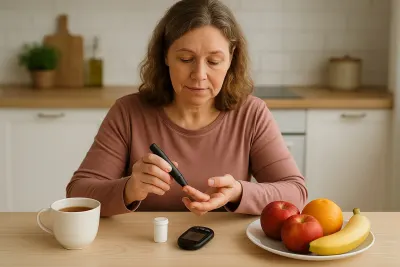
A1C Calculator — Convert HbA1c to eAG with Targets
Use our A1C calculator to convert HbA1c to estimated average glucose (eAG). See normal, prediabetes, and diabetes thresholds in mg/dL and mmol/L. Fast results.
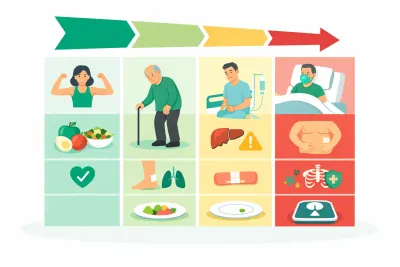
Albumin Calculator — Serum Albumin Level Interpretation
Free albumin calculator to interpret serum albumin levels, grade hypoalbuminemia, and compute A/G ratio plus albumin-corrected calcium from your lab results.
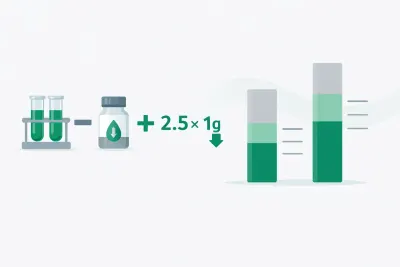
Albumin-Corrected Anion Gap Calculator — Hidden Acidosis
Use our albumin-corrected anion gap calculator to raise the anion gap by 2.5 per 1 g/dL of low albumin and reveal a hidden high-gap metabolic acidosis.

ANC Calculator: Absolute Neutrophil Count & Neutropenia
Free ANC calculator to calculate absolute neutrophil count from WBC and differential. Get ANC in cells/uL and x10^9/L with instant neutropenia grading.
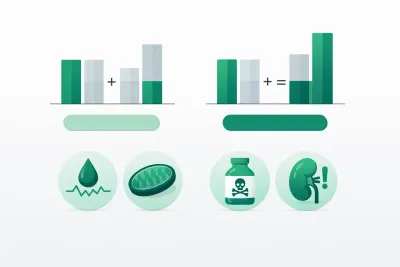
Anion Gap Calculator — Metabolic Acidosis Evaluation
Free anion gap calculator finds serum anion gap from sodium, chloride, and bicarbonate, with albumin correction and delta ratio for metabolic acidosis.
AST/ALT Ratio Calculator — Free De Ritis Ratio Tool
Use our free AST/ALT ratio calculator to compute the De Ritis index instantly. Visual ratio chart, enzyme-level assessment, and clinical patterns guide.