Fat Intake Calculator
Calculate your daily fat grams by percent of calories, grams per kg of body weight, or macro balance. See your saturated fat cap, omega-3 target, and a daily fat intake chart.
Calculate your daily fat intake
Daily fat
70 g
30% of cal
Healthy rangeGeneral guidance only.
Your daily fat intake target
630 kcal \u00b7 30.0% of calories \u00b7 23 g per meal
Healthy range (20\u201335%)
47\u201382
g/day
Safe minimum
47
g/day (floor)
Saturated fat cap
< 23
g/day (<10% cal)
Omega-3 ALA target
1.6
g/day (male)
Per meal (3x)
23
g fat per meal
Calories from fat
630
kcal/day
Daily Fat Intake Chart by Calorie Level
Fat grams at 20%, 30%, and 35% of calories. Saturated fat cap at 10%.
| Calories | Low (20%) | Mid (30%) | High (35%) | Sat. cap |
|---|---|---|---|---|
| 1,200 kcal | 27 g | 40 g | 47 g | < 13 g |
| 1,500 kcal | 33 g | 50 g | 58 g | < 17 g |
| 1,800 kcal | 40 g | 60 g | 70 g | < 20 g |
| 2,000 kcal | 44 g | 67 g | 78 g | < 22 g |
| 2,200 kcal | 49 g | 73 g | 86 g | < 24 g |
| 2,500 kcal | 56 g | 83 g | 97 g | < 28 g |
| 2,800 kcal | 62 g | 93 g | 109 g | < 31 g |
| 3,000 kcal | 67 g | 100 g | 117 g | < 33 g |
Highlighted row is closest to your 2,100-calorie target.
Quick tips
- Favor unsaturated fats: olive oil, nuts, seeds, avocado, fatty fish.
- 1 tablespoon of oil = ~14 g fat (126 kcal). Measure dressings a few times to calibrate.
- If hungry on a cut, try nudging fat up 5% while dropping carbs by the same calories.
- Recheck after changes in weight, activity level, or goals.
Disclaimer: This fat intake calculator provides general nutrition guidance for healthy adults. It does not constitute medical advice. If you have a medical condition, are pregnant, or follow a therapeutic diet, consult a licensed clinician or registered dietitian.
Educational tool, not medical advice. Check this tool’s method and limitations before interpreting a result. Talk to a qualified healthcare professional before making decisions about medication, diet, exercise, or treatment. See our Terms of Use.
Your rating helps improve Fat Intake Calculator — Daily Fat Grams & Limits. We store only an anonymized vote (no personal data).
How to Use Fat Intake Calculator — Daily Fat Grams & Limits
Step 1: Enter your calorie target and body weight
Type your daily calorie goal and body weight in kg or lb. If unsure, use our TDEE calculator or Calorie calculator first.
Step 2: Choose a calculation method
Pick percent of calories (% of cal), grams per kg (g/kg), or macro fill (fat fills remaining calories after protein and carbs).
Step 3: Adjust with the slider or presets
Use the slider or tap a preset button (Low-fat 20%, Moderate 25%, Balanced 30%, Higher-fat 35%) to fine-tune your fat intake.
Step 4: Check the daily fat intake chart and guardrails
Compare your target with the reference chart, safe minimum, and saturated fat cap. The color-coded range bar shows where your intake falls.
Step 5: Plan meals and copy your summary
Select meals per day to see grams per meal. Tap Copy Summary to save your results for a food diary or tracking app.
Key Features
- Three methods: % of calories, g/kg, or macro fill
- Saturated fat cap and omega-3 ALA target
- Daily fat intake chart by calorie level
- Per-meal fat breakdown
- Safe minimum floor with color-coded range bar
- Copy-ready summary for tracking apps
Understanding Results
Fat Intake Formulas
Fat provides 9 kcal per gram. This fat intake calculator supports three methods to find your daily fat grams:
- Percent of calories:
fat grams = (calories × fat%) ÷ 9. Example: 2,100 kcal at 30% → (2100 × 0.30) ÷ 9 ≈ 70 g. - Grams per kilogram:
fat grams = body weight (kg) × g/kg. Example: 75 kg × 0.8 g/kg = 60 g. - Macro balance:
fat grams = (calories − (4×protein g + 4×carb g)) ÷ 9. Negative values are clamped to 0.
We also display a safe minimum (max of ~0.5 g/kg or 20% of calories when available) and a saturated‑fat cap (~10% of calories). The goal is to land in a comfortable range that supports energy, vitamin absorption, and adherence.
Daily Fat Intake Chart & Ranges
The daily fat intake chart in the calculator above shows reference grams at 20%, 30%, and 35% of calories for common calorie levels (1,200\u20133,000 kcal). For most healthy adults the recommended range is 20\u201335% of calories. Lower-fat setups (closer to 20\u201325%) fit high-carb training or tight budgets, while higher-fat setups (30\u201335%) can feel more satisfying for people who prefer savory foods or eat fewer carbohydrates.
As a practical floor, avoid very-low-fat intakes for long stretches. A simple safeguard is to stay at or above the higher of ~0.5 g/kg body weight or 20% of calories. The saturated fat calculator section of this tool shows a cap at ~10% of calories\u2014favor unsaturated sources most of the time.
If you don't know your daily energy needs, estimate them first with our maintenance tools, then set fat: maintenance \u2192 calories \u2192 fat \u2192 protein/carbs. This sequence keeps the big picture (total calories) aligned with your daily macro plan.
Guidance here reflects mainstream nutrition recommendations consistent with national dietary guidance. Use these figures as a starting point and adjust based on comfort and goals.
Assumptions & Limitations
This tool is informational and not a substitute for medical advice. It assumes adult users without medical conditions that affect digestion, absorption, or fat metabolism. Individual needs vary based on health status, training demands, preferences, and cultural eating patterns.
The calculator does not diagnose or treat any disease. Calorie estimates, macro splits, and ranges are starting points; monitor your comfort, performance, and body‑weight trend, then adjust gradually. If you have specialized needs (e.g., therapeutic diets, pregnancy, lipid disorders), work with a licensed clinician or registered dietitian.
External nutrition resources are provided for context only. Always follow your clinician’s advice when recommendations differ.
Complete Guide: Daily Fat Intake

A fat intake calculator converts your calorie target into a concrete daily fat gram number—something you can actually track at the grocery store or in a food diary. Fat supplies 9 kcal per gram, more than double the energy density of protein or carbohydrate, so getting the amount right has an outsized effect on how full you feel, how your hormones function, and whether your overall calorie budget holds together.
Below you'll find the reasoning behind the ranges, a daily fat intake chart for quick reference, specific worked examples, and practical tips for managing saturated fat, omega-3s, and meal planning. If you haven't used the calculator above yet, start there—then come back here to understand the numbers.
On this page
Why dietary fat matters
Fat isn't just fuel. It carries the fat-soluble vitamins A, D, E, and K across the intestinal wall. It forms every cell membrane in your body. Cholesterol—a type of lipid—is the starting material for testosterone, estrogen, and cortisol. Cut fat too aggressively and you may notice dry skin, persistent hunger, poor recovery, and hormonal disruption within weeks.
At the same time, fat is the most calorie-dense macronutrient: 9 kcal per gram versus 4 for protein or carbs. A single tablespoon of olive oil adds 14 g of fat and 126 kcal. That density makes fat easy to over-consume when you aren't measuring—and equally easy to under-consume when you track aggressively and fear dietary fat.
The goal is a range that protects essential functions, stays within your calorie budget, and keeps you satisfied. That's exactly what the fat intake calculator above is designed to find.
How many grams of fat should you eat per day?
The USDA Dietary Guidelines and most sports-nutrition bodies recommend 20–35% of total calories from fat. On a 2,000 kcal diet that works out to about 44–78 g of fat per day. On 2,500 kcal the range becomes 56–97 g. The daily fat intake chart in the calculator above shows reference grams for eight common calorie levels.
Where you land inside that band depends on several factors:
- Training type: Endurance athletes often keep fat moderate (20–25%) so a bigger share of calories can go to carbohydrate, which fuels glycolytic exercise more efficiently.
- Food preference: If you naturally gravitate toward olive oil, nuts, and salmon, 30–35% is easier to sustain. If you prefer fruit, rice, and bread, 20–25% may feel more natural.
- Satiety needs: Fat slows gastric emptying. People who report constant hunger on a cut sometimes feel better after shifting 5% of calories from carbs to fat.
- Calorie budget: During aggressive dieting, keeping fat on the lower end leaves more room for protein and fiber-rich carbs, both of which tend to rate higher on satiety-per-calorie.
If you don't know your calorie target yet, estimate maintenance with the TDEE calculator, then subtract or add based on your goal. Our Calorie Calculator walks through that step by step.
Three methods in this fat intake calculator
The calculator offers three methods because people start from different pieces of information. Here's when each one fits best:
| Method | Formula | Best for |
|---|---|---|
| % of calories | (calories × fat%) ÷ 9 | Quick setup once you know your calorie target |
| Grams per kg | body weight (kg) × g/kg factor | Stable body weight, varying calorie targets |
| Macro fill | (calories − protein×4 − carbs×4) ÷ 9 | Athletes who lock protein and carbs first |
The percent method is the simplest starting point. If you already have a protein target from our Protein Calculator and a carb target from the Carb Calculator, the macro-fill method just divides whatever is left between fat grams. Either way, cross-check the result against the 20–35% range to make sure it's reasonable.
How to calculate your saturated fat limit
The American Heart Association and USDA both recommend keeping saturated fat below 10% of total calories. The math is straightforward:
- Multiply your daily calories by 0.10. On 2,000 kcal: 200 kcal from saturated fat.
- Divide by 9 (calories per gram of fat). 200 ÷ 9 ≈ 22 g of saturated fat per day.
- Compare that cap to your food diary. Common sources: butter (7 g per tablespoon), cheddar cheese (6 g per oz), whole milk (5 g per cup).
The calculator above does this automatically and displays the cap in the amber “Saturated fat cap” card. If you eat 2,500 kcal, your cap is about 28 g. At 1,800 kcal it drops to about 20 g. You don't need to hit zero—some saturated fat from whole foods like eggs, yogurt, and dark chocolate is perfectly reasonable. The goal is to keep the total under the cap and fill the rest of your fat budget with unsaturated sources.
Omega-3 targets and food sources
The adequate intake (AI) for alpha-linolenic acid (ALA) is 1.6 g/day for adult males and 1.1 g/day for adult females. ALA is the essential omega-3 your body can't make. Good plant sources:
- Ground flaxseed: ~2.4 g ALA per tablespoon
- Chia seeds: ~1.7 g per tablespoon
- Walnuts: ~2.6 g per ounce (14 halves)
- Hemp seeds: ~1.0 g per tablespoon
EPA and DHA—the longer-chain omega-3s linked to cardiovascular and cognitive benefits—come primarily from fatty fish: salmon, mackerel, sardines, and herring. One to two servings per week (roughly 250–500 mg EPA+DHA per day) is the standard recommendation. If you don't eat fish, algae-based supplements are the best alternative.
Step-by-step examples
Example A — Percent method: Taylor eats 2,100 kcal/day and picks 30%. Fat = (2,100 × 0.30) ÷ 9 = 70 g. The 20–35% range for 2,100 kcal is 47–82 g. The saturated fat cap is (2,100 × 0.10) ÷ 9 ≈ 23 g. Across 3 meals, that's about 23 g total fat per meal.
Example B — Grams per kg: Jordan weighs 80 kg and uses 0.8 g/kg. Fat = 80 × 0.8 = 64 g/day. If Jordan eats 2,200 kcal, the percentage is (64 × 9) ÷ 2,200 ≈ 26%—well inside the healthy band. The calculator shows both numbers side by side.
Example C — Macro fill: Alex targets 2,300 kcal, 150 g protein, 250 g carbs. Protein + carbs = (150 × 4) + (250 × 4) = 1,600 kcal. Remaining for fat: 700 kcal ÷ 9 ≈ 78 g (about 30% of calories). If that feels like too much, Alex can bump carbs down by 25 g, freeing 100 kcal that shifts the fat to ~67 g.
Example D — Weight loss: Sam's maintenance calories are 2,400 kcal. A 500-kcal deficit puts Sam at 1,900 kcal. Choosing 25% fat: (1,900 × 0.25) ÷ 9 ≈ 53 g/day. That keeps fat above the safe minimum (~42 g for Sam's weight) while leaving room for high-protein, high-fiber meals.
Fat intake by goal: loss, maintenance, gain
There's no universally perfect macro split, but patterns emerge across research and coaching practice:
| Goal | Typical fat range | Rationale |
|---|---|---|
| Fat loss | 20–30% | Leaves room for protein and fiber-rich carbs that support satiety during a deficit |
| Maintenance | 25–35% | Flexible; choose based on food preference and training demands |
| Muscle gain | 25–30% | Moderate fat, surplus calories mostly from carbs to fuel training and recovery |
Pair fat with the right protein target. Our Protein for Weight Loss and Protein for Muscle Gain pages cover the protein side in detail. Then use the Macro Calculator to lock everything together.
Best fat sources and easy swaps
Build most of your fat budget from unsaturated sources. Here are practical swaps that shift the balance without overhauling your diet:
- Cook with olive or avocado oil instead of butter. Both are high in monounsaturated fat and have a reasonable smoke point for most home cooking.
- Top salads with nuts or seeds instead of croutons. A handful of almonds adds ~14 g of mostly monounsaturated fat plus 6 g of protein.
- Eat fatty fish 1–2 times per week in place of processed meats. Salmon, sardines, and mackerel supply EPA and DHA along with high-quality protein.
- Use hummus or guacamole as spreads instead of cream-based dressings. You still get flavor and fat, but with more fiber and micronutrients.
- Measure oils and nut butters a few times to calibrate your eye. One tablespoon of peanut butter has about 8 g fat; many people pour closer to two tablespoons without realizing it.
When dining out, sauces and dressings often contribute the majority of a meal's fat. Ask for them on the side so you control the amount. Choose grilled or baked preparations over fried when you have the option.
Common mistakes with fat intake planning
Cutting fat too low. Dipping below 0.5 g/kg or 20% of calories for weeks at a time can tank satiety and hormonal health. If you feel cold, hungry all the time, or your skin dries out, check your fat floor first.
Ignoring total calories. You can hit your fat-gram goal and still overshoot calories. Fat is just one piece; recalculate your TDEE if body weight isn't moving as expected.
Treating all fats as equal. A tablespoon of olive oil and a tablespoon of butter have similar calories, but their fatty-acid profiles differ significantly. Prioritize unsaturated fats and keep saturated fat under the 10% cap.
Changing multiple variables at once. If you adjust fat, protein, and carbs simultaneously, you won't know which change caused the effect. Move one macro at a time—usually ±5% of calories from fat or carbs—and give it 7–10 days before reassessing.
Forgetting hidden fat. Cooking oils, salad dressings, cheese on sandwiches, and nut-butter snacks can easily add 30–40 g of fat that doesn't show up if you only count main dishes. Track everything for a few days to find blind spots, then ease into estimation once you're calibrated.
References
- U.S. Department of Agriculture & HHS. Dietary Guidelines for Americans, 2020–2025. dietaryguidelines.gov
- National Academies of Sciences. Dietary Reference Intakes for Energy, Carbohydrate, Fiber, Fat, Fatty Acids, Cholesterol, Protein, and Amino Acids (Macronutrients). National Academies Press, 2005.
- American Heart Association. Saturated Fat. heart.org

Written by Marko Šinko
Co-Founder & Lead Developer
Computer scientist and developer working on calculator implementation, data handling, and accessible interfaces. His authorship describes development work, not independent medical review.
View full profileFrequently Asked Questions
How does the fat intake calculator work?
It calculates daily fat grams using one of three methods: a percentage of your calories (e.g. 30% of 2,100 kcal = 70 g fat), a grams-per-kg ratio multiplied by body weight, or a macro fill where fat covers the calories left after protein and carbs. All three use the 9-kcal-per-gram energy value of fat.
How many grams of fat should I eat per day?
Most healthy adults need about 44 to 97 grams of fat per day, depending on calorie intake. The standard guideline is 20 to 35 percent of total calories. On a 2,000-calorie diet that works out to roughly 44 to 78 grams. On 2,500 calories, the range is about 56 to 97 grams.
How do I calculate my daily saturated fat limit?
Multiply your daily calories by 0.10, then divide by 9. For example, on a 2,000-calorie diet: 2,000 times 0.10 equals 200 kcal from saturated fat, divided by 9 equals about 22 grams. Keep saturated fat under that number and favor unsaturated sources.
What is the daily fat intake chart based on?
The reference chart shows fat grams at 20%, 30%, and 35% of calories for common calorie levels from 1,200 to 3,000 kcal. It also lists the saturated fat cap at 10% of calories. The row closest to your calorie target is highlighted automatically.
What is a safe minimum fat intake?
A practical floor is the higher of about 0.5 grams per kg of body weight or 20 percent of calories. For a 75 kg person eating 2,100 calories, that is roughly 47 grams per day. Going below this for extended periods may affect hormone production and vitamin absorption.
How much omega-3 fat do I need per day?
The adequate intake for ALA (alpha-linolenic acid) is 1.6 grams per day for adult males and 1.1 grams per day for adult females. Good sources include flaxseed, chia seeds, walnuts, and fatty fish. Adding fish once or twice per week also supplies EPA and DHA.
Can I use this calculator for keto or low-carb diets?
Yes. Low-carb and keto diets push fat above 35 percent by design. Use the percent-of-calories method and slide beyond 35 percent, or use macro fill with low carbs. The calculator still shows the saturated fat cap and omega-3 target, which apply regardless of diet style.
Is this fat calculator a substitute for medical advice?
No. This tool provides general nutrition guidance for healthy adults. People with medical conditions, lipid disorders, or special dietary needs should follow individualized advice from a licensed clinician or registered dietitian.
Related Calculators

BMR Calculator: Basal Metabolic Rate by Proven Formulas
Use our BMR calculator to estimate your basal metabolic rate using Mifflin–St Jeor or revised Harris–Benedict formulas. Choose metric or US units and see TDEE.
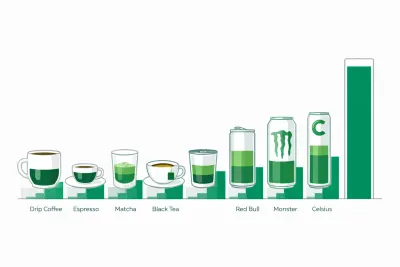
Caffeine Content Calculator — Coffee, Energy Drinks & Tea
Free caffeine content calculator showing how much caffeine is in coffee, espresso, tea, Red Bull, Monster and Celsius, plus your safe daily limit by weight.
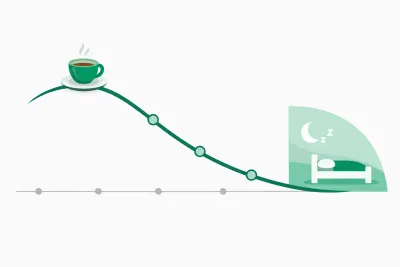
Caffeine Half-Life Calculator: How Long Caffeine Lasts
Free caffeine half-life calculator showing how much caffeine is left at bedtime, your personal clearance rate, and the latest safe cutoff time to drink.

Calorie Calculator: Daily TDEE and Intake Estimate
Use our calorie calculator to estimate daily energy needs (TDEE) from age, sex, height, weight, and activity. See maintain, loss, and gain targets instantly.
Calorie Deficit Calculator — Set a Safe Daily Deficit
Use our calorie deficit calculator to set a safe daily calorie target. Estimate TDEE, choose a weekly weight-loss rate, and see deficit, timeline, and guidance.
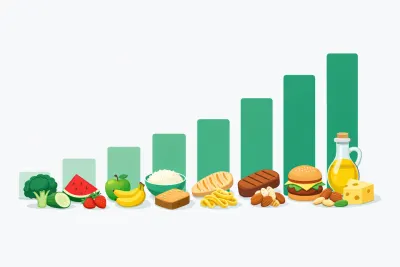
Calorie Density Calculator: Calories per Gram of Food
Free calorie density calculator that turns calories and grams into kcal per gram, sorts any food into four energy density bands, and compares two foods.